
October 2025
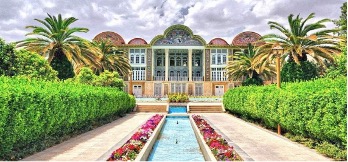
UNESCO has designated nine of Iran’s Persian Gardens as World Heritage sites. These beautiful, symmetric gardens have featured in Iranian culture since Achaemenid times (2500 BC) when they symbolised the natural elements key to Zoroastrian religion. During Islamic times these ‘baghs’ evolved into representations of the Abrahamic Garden of Eden. The old Persian word ‘Pairidaeza’ gave us paradise. On Fridays Iranian families picnic among the trees, mini canals, cooling pools and fountains of these famed Persian Gardens.
Israel’s idea of gardening differs; ‘mowing the lawn’ has become an innocuous, yet deadly, metaphor for periodical large-scale assaults on Palestinian land intended to reduce resistance and break the spirit of the people. Recently Defence Minister Yoav Gallant also talked of the need to ‘pull out the roots’. Similar polices have been applied in the West Bank and Lebanon. Could Iran be next on the Israeli regime’s list of lethal gardening chores?
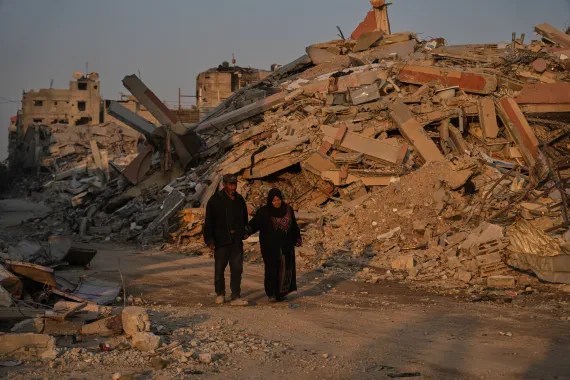
Netanyahu and some of those around him have alluded to Palestinians being akin to the Amalekites. In the Hebrew Bible, God tells Jewish people to eliminate all of them for attacking the Jews as they left Egypt. ‘Do not spare them; put to death men and women, children and infants, cattle and sheep, camels and donkeys. Herding Palestinians into smaller are smaller strips of dust and rubble plays into this narrative. During the Lebanese civil war Christian militia butchered Palestinians trapped in the refugee camps of Sabra and Shatila – whilst the IDF blocked exits and lit up the sky to help facilitate the slaughter. The current US ambassador to Israel, Mike Huckabee, once said ‘there is no such thing as a Palestinian’.
With Israel’s international status rapidly mirroring apartheid era South Africa, Netanyahu may see this as the perfect opportunity to do some more ‘gardening’. With few friends to lose, aside from the US and some Pacific islanders, another strike against Iran would improve his diminishing domestic ratings.
The Iran ‘issue’ never really goes away. UN sanctions have just been re-imposed; Iran will kick out recently re-introduced IAEA inspectors while the hunt for Iran’s suspected stockpile of near weapons grade uranium (the one that was ‘completely obliterated’) continues. Stalemate again – aside from the recent loss of over 1000 Iranian lives, mostly civilians. Reintroducing sanctions is seen by many on both sides of politics in Iran as endorsement of the illegal Israeli bombings. Europe is unlikely to have a say in future dialogue about Iran’s nuclear programme, pushing the sides further away from each other – and closer to another flashpoint.
The misconception (a word used frequently in Iran commentary) that things have always been this way conveniently overlooks key occasions when Iran has come to the table to talk. Remember they were negotiating when the American Regime chose to strike. It took 2 years of meticulous negotiations by John Kerry and his team before the Iran nuclear agreement (JCPOA) was signed just hours before the deadline. The real Art of The Deal…
Iran assisted with intelligence during the invasion of Afghanistan, with US diplomats meeting with Iranian Revolutionary Guards – possibly including Soleimani (whom Trump later assassinated). Less than a year later Bush included Iran among the members of the ‘axis of evil’ in his State of the Union address…
A few years on, fearing Iran’s turn would follow the invasion of Iraq, Iran proposed a ‘Grand Bargain’ road map to resolve ‘all outstanding issues between the two countries’ (including Iran’s embryonic nuclear programme and its regional policy). The White House chose not to acknowledge even receiving the offer. Iran’s uranium stockpile bargaining chip has been growing ever since and the mistrust of the west has become cultural.
Iran has never left the news since the ‘79 revolution and subsequent slaughterous war with Iraq (instigated by Saddam with western support, conveniently turning a blind eye to his horrific use of chemical weapons). That 8-year bloodbath which cost up to a million lives on both sides, galvanised the country, and that suffering remains central to the psyche of Iranians to this day.
Poignantly, Section 42 of Tehran’s historic Behesht-e-Zahra cemetery is reserved for the martyrs of the recent Israelis attacks, symbolically placed next to those martyrs of the Iran – Iraq war. Every Thursday (the start of the Iranian weekend) mothers would come to tidy and wash the graves. It was from this vast cemetery, in February 1979, that a triumphant Khomeini delivered his first speech. It’s also the place where the victims of the mass executions that followed his revolution were buried – under what is now a car park. The unity of Iranians now mourning victims of more recent Israeli attacks reflects the societal evolution since the revolution. Now traditional mothers in black chadors exchange fruit, sweets and memories with modern mothers dressed in stylishly colourful attire.
For 12 days in June, Tehran’s 10 million plus residents came under attack for the first time since 1988’s ‘War of the Cities’ – the final phase of the Iran-Iraq war. Previously Mossad instigated assassinations of nuclear scientists were carried out by motorcycle shootings or car bombings. Now these illegal strikes include collateral damage – like 2-month-old Rayan Ghasemian, the youngest victim of the bombings who perished alongside his mother. As the dust settled, the Israeli military claimed to have struck over 100 targets. These included the notorious Evlin prison where the Supreme Leader’s enemies are housed. Alongside those regime opponents killed in the bombing were visiting children and social workers.
Trump’s ‘I may, I may not’ tease before jumping in on the action changed the course of Middle East geopolitics, setting a dangerous precedent. US intelligence at the time concluded that Iran did not have a weaponised nuclear programme when the strikes hit. Thus, the US regime launched an unprovoked attack against a sovereign state, without UN or even congressional approval. How does this differ from Russia’s actions in Ukraine? The American Dream is envied and admired among many Iranian people. However, since Trump’s withdrawal from the JCPOA which created the pathway to this destruction, it’s moving towards an American nightmare.
Iran, the nation, is always at its strongest when it’s threatened; hated as it may be, the regime binds the country’s rich ethnic cultures. Divide and rule is as unlikely to succeed here as regime change from 30 000 feet is. Iranians will not let thousands of years of rich history and culture turn to rubble at their own hands. During the June attacks people in rural areas opened doors to those fleeing the bombardment of their cities, shopkeepers undercharged basic goods and neighbours knocked each other’s doors to ask if they needed anything. The ancient Zoroastrian mantra ‘Good Words, Good Thoughts and Good Deeds’ transcends time, religion and ethnicity.
Since the attacks a heightened sense of Iranianism has pervaded throughout the nation. People stood up against foreign aggression; not to defend the Islamic Republic, but to defend their identity and history. Iranians are talking about what has united them for 5000 years, rather than more recent religious divisions – epic poetry and literature, geography, history, food and culture.
Tehran has stirred back to life again. Morning traffic clogs the city’s wide boulevards and clouds of pollution choke the city. Stylish coffee shops in the northern suburbs are once again packed with elegantly dressed women (headscarves optional) and the tea houses in the bazaars filled with Persians, Azeris, Turkmen, Lurs, Baloch, Kurds and Arabs – as they have been for centuries.
Yet the shadow of an uncertain future looms over the cappuccinos and super sweet saffron teas, a quiet reminder of how Iranian resolve is about to be tested once again. With Iran being sanctioned in some form another for 45 years many Iranians have never known life without sanctions which affect everything from access to medicines and international banking to airline safety. Despite Iran holding the 2nd largest known gas reserves in the world and the 3rd largest oil reserves, institutional mismanagement of resources, sanctions and 5 consecutive years of drought has led to daily power outages and water cuts throughout the summer. Last week the president said the capital, which consumes a quarter of Iran’s’ water, should be moved south. Iranians have come to live, and even joke, about these hardships. However, no one is chuckling about the increasing talk of renewed Israeli strikes.
The regime gently releases pressure when it feels most threatened, like tolerating the Green Movement’s largely peaceful protests in 2009 – before an inevitable, brutal crackdown. The surprising 2024 election of reform minded president Pezeshkian means he now treads a thin line between conservatives out to crush him and the Supreme Leader whose approval is needed for every decision he makes.
A new chastity bill, passed in response to the ‘Women, Life, Freedom’ movement, was paused last year with the president arguing it needs reform to avoid an uprising. Despite brutal crackdowns the movement that followed Mahsa Amini’s death in custody has led to around 30% of women, including whole families, going out unscarved in parts of Tehran. Women riding motorcycles is also becoming more commonplace – despite the government refusing licence applications when women apply.
Whilst the Iranian regime carries out a record number of executions this year (mainly for drug offences according to official statements) the Reformist Front recently laid out an eleven-point plan for domestic and foreign policy reforms towards ‘a courageous path of national reconciliation’. In a recent Foreign Policy piece former Foreign Minister (and wily JCPOA negotiator) Mohammad Zarif, advocated for a shift from a “deeply ingrained threat paradigm to an empowering possibilities paradigm” including “expansion of ties with neighbours, a new regional partnership and renewed dialogue with Europe and the United States”.
President Pezeshkian said “You cannot fix a country with slogans, and you cannot reform society with claims. You cannot create behavioural change with force either — behavioural change comes from the heart and must originate from within.”
Iran finds itself at another crossroads. Strong nationalistically but weakened economically, militarily and rapidly losing regional influence. An ailing Supreme Leader, mutterings of a IRGC takeover and Iranian lawmakers discussing withdrawal from the Nuclear Non-Proliferation Treaty; these are dangerous times.
Robert Malley, the chief US diplomat who negotiated that JCPOA deal with Mohammed Zarif, concluded a brilliant recent Foreign Affairs piece (The Perils of Middle East Triumphalism) with ‘History does not move forward… It slips sideways and lands in the most unexpected of places’
Both Israel and the US should consider their next moves carefully.
 The Lonely Chopstick