
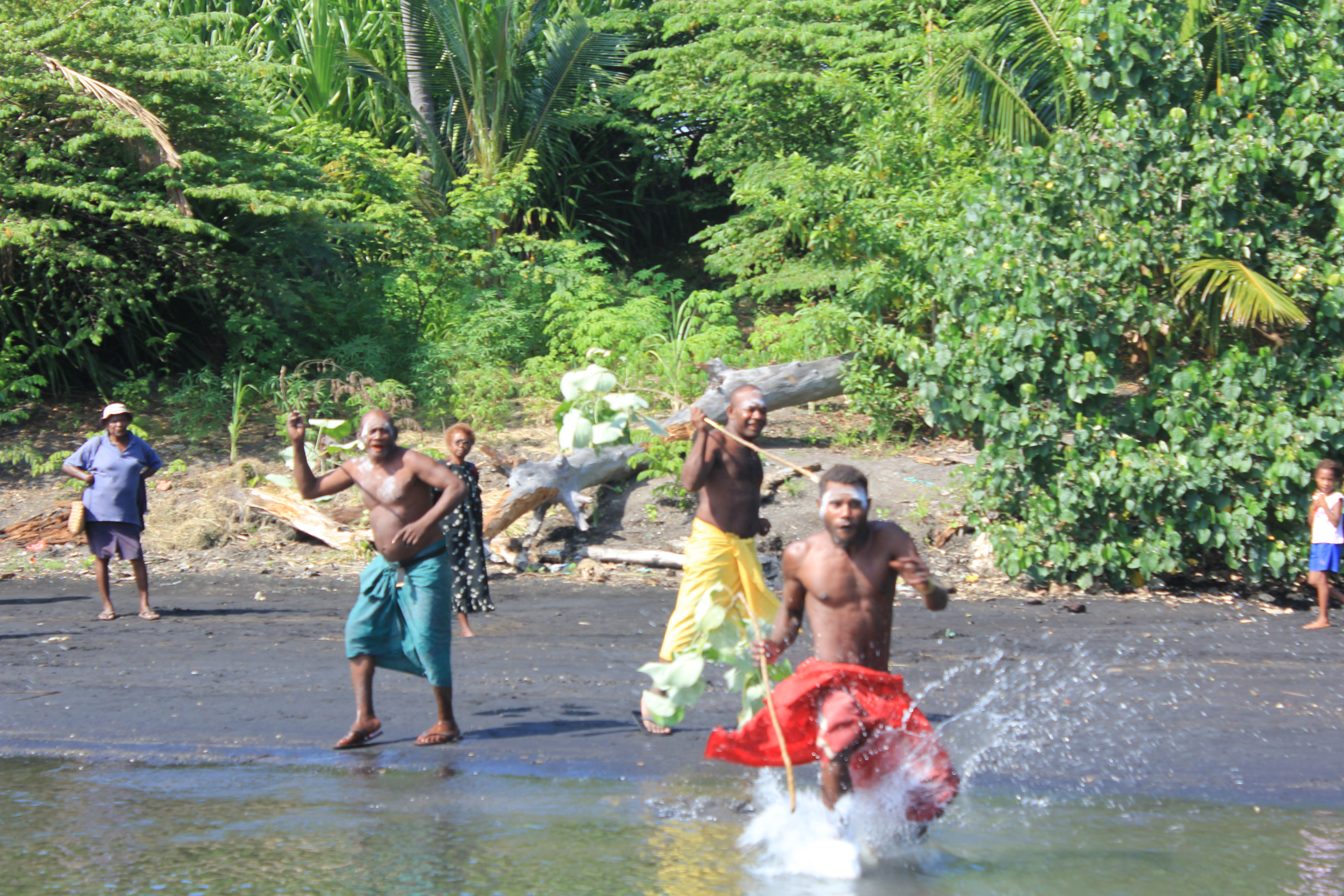
Smiles disappeared momentarily as we approached the island. Painted, chanting men held spears aloft, pacing up and down – before menacingly launching themselves into the water towards us. As we got closer to the sand the men rubbed and smelt our skin. The smiles returned – and elevated to laughter – when my group realised I had pre-planned this little welcome, to recreate the natives’ first encounter with western man. It wasn’t that long ago either – in the Central Highlands in the 1930’s the intrepid Australian explorer Mike Leahy was similarly having his skin rubbed to in an attempt to remove the white colouring…

PNG’s appeal is its diversity. After exploring the wilds of the Sepik River, we were now in Rubaul on the island of New Britain, a bumpy hour ride through the clouds from PNG’s capital, Port Moresby. Beyond these warm pacific shores the southern plates of the pacific ‘rim of fire’ converge – making it one of the most volcanically active areas on earth. A super-volcano supposedly blew here in the dinosaur age, resulting in a huge marine caldera ringed by the stringy volcanic islands of the Bismarck Sea.
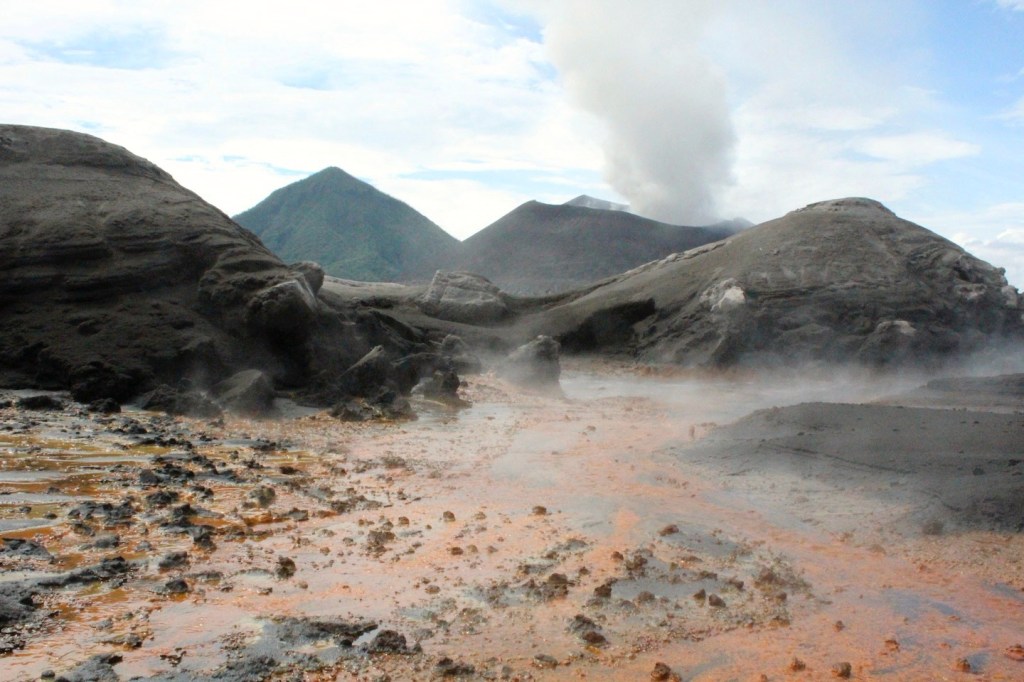
Our morning had begun just after dawn. We cruised through Rubaul harbour and stood on the ashen grey base of the Tavurvur volcano, watching as it spouted cloud sized plumes of smoke and nonchalantly tossed house size rocks out of its crater. It was a mesmirising spectacle, one that left you simultaneously in awe of the power of nature – and conscious of your own mortality. Nearby, the Matupit islanders were not so nature fearing, burying themselves several metres down in the ash to collect eggs from a sort of awkward looking oversize chicken known as a mega pod.
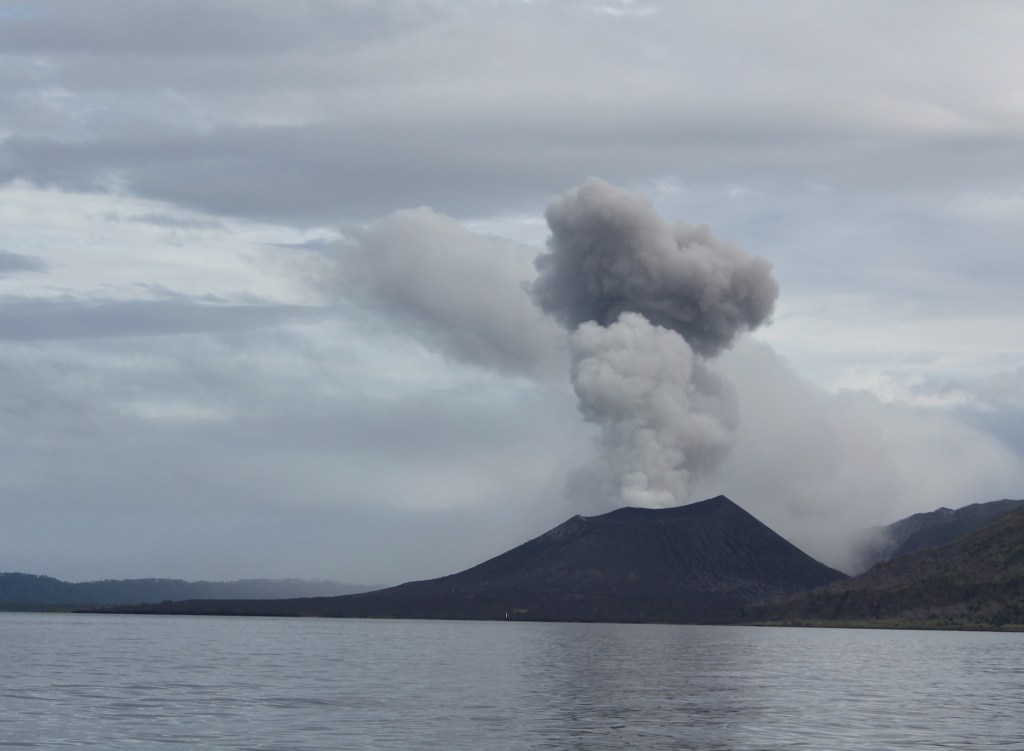
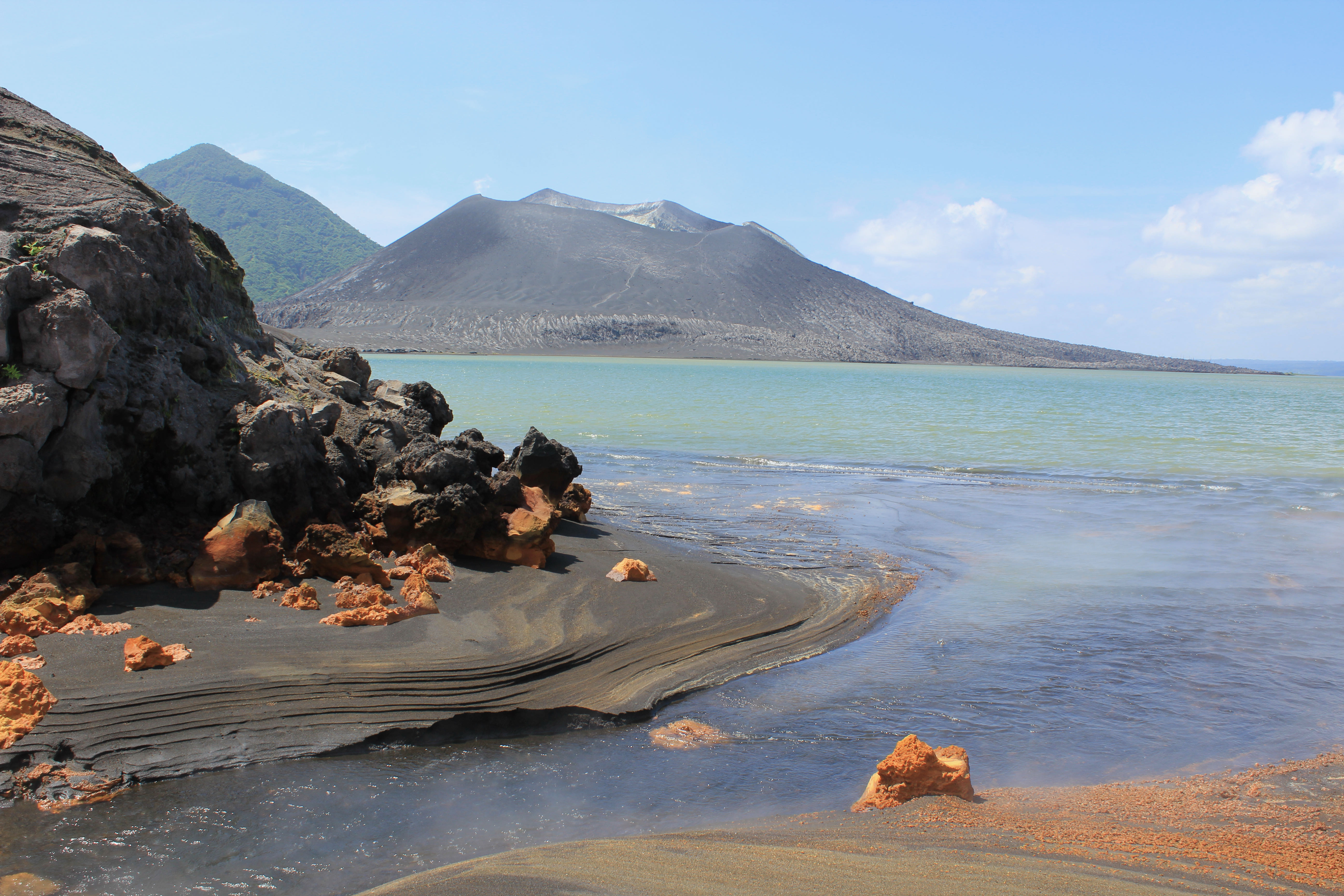
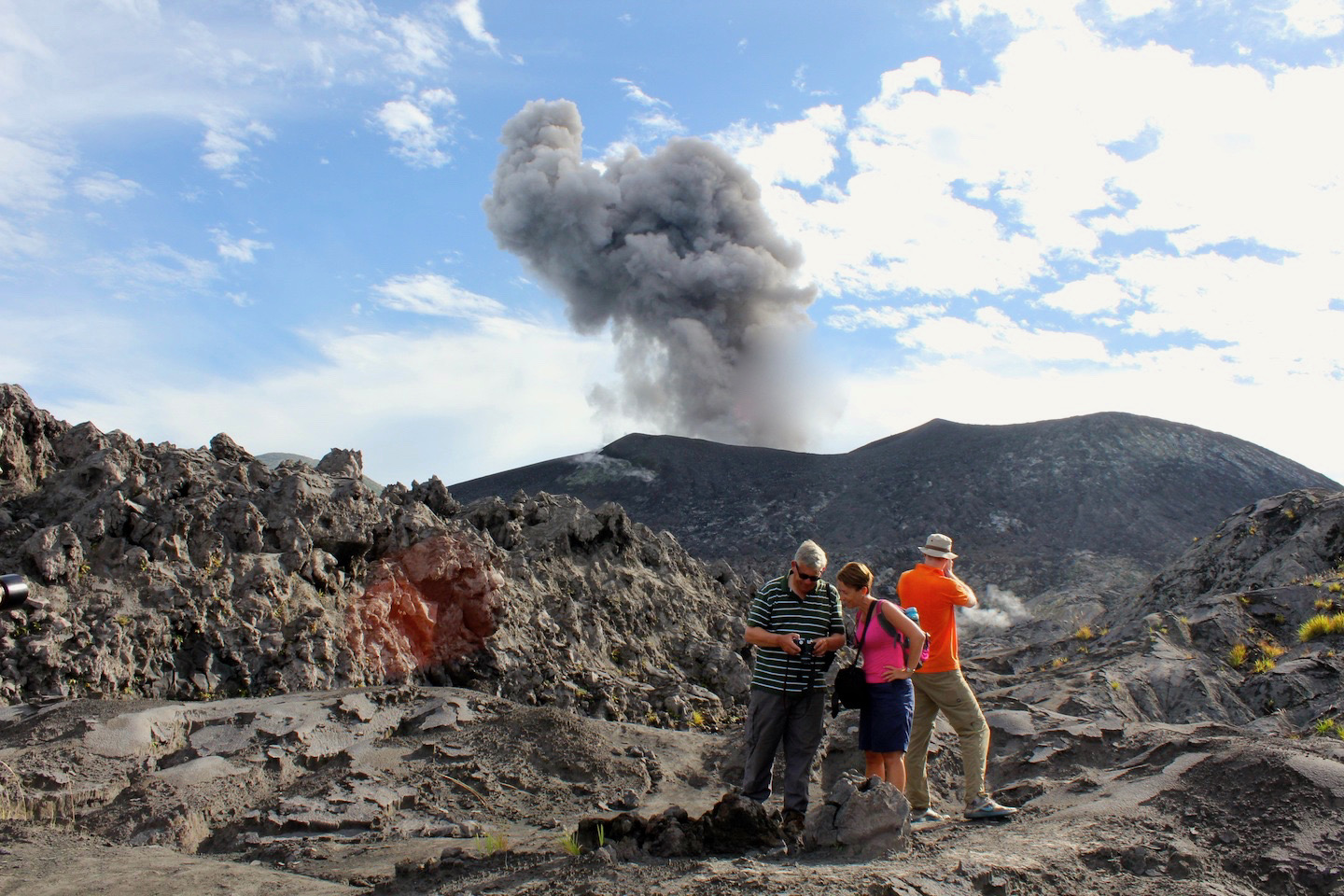
In 1994 Tavurvur and nearby Vulcan erupted simultaneously destroying the old island capital of Rubaul, covering it in a thick grey ash – which still blows eerily through the ghost town nearly twenty years later. It’s a surreal experience driving on the black sand track that was once the old runway, bordered by broken, deserted houses and businesses. Although well-rehearsed drills and advance warning kept casualties to single figures, the area is still haunted by the economic effects of the destruction and subsequent relocation of its inhabitants.
The natives of nearby Matupit island (the eruption actually joined their island to the mainland) have developed a great initiation to help rebuild their community by encouraging visitors to find out more about their lives, which funds water tanks for the island. As well as being a worthy project (aided by local dive operator Kabaira) – it’s a trip highlight…!
Guides appointed and trained by the islands elders show us around. We learn of the regions colonial history from a German trading base to an allied military outpost before the Japanese invasion and subsequent heavy bombing.
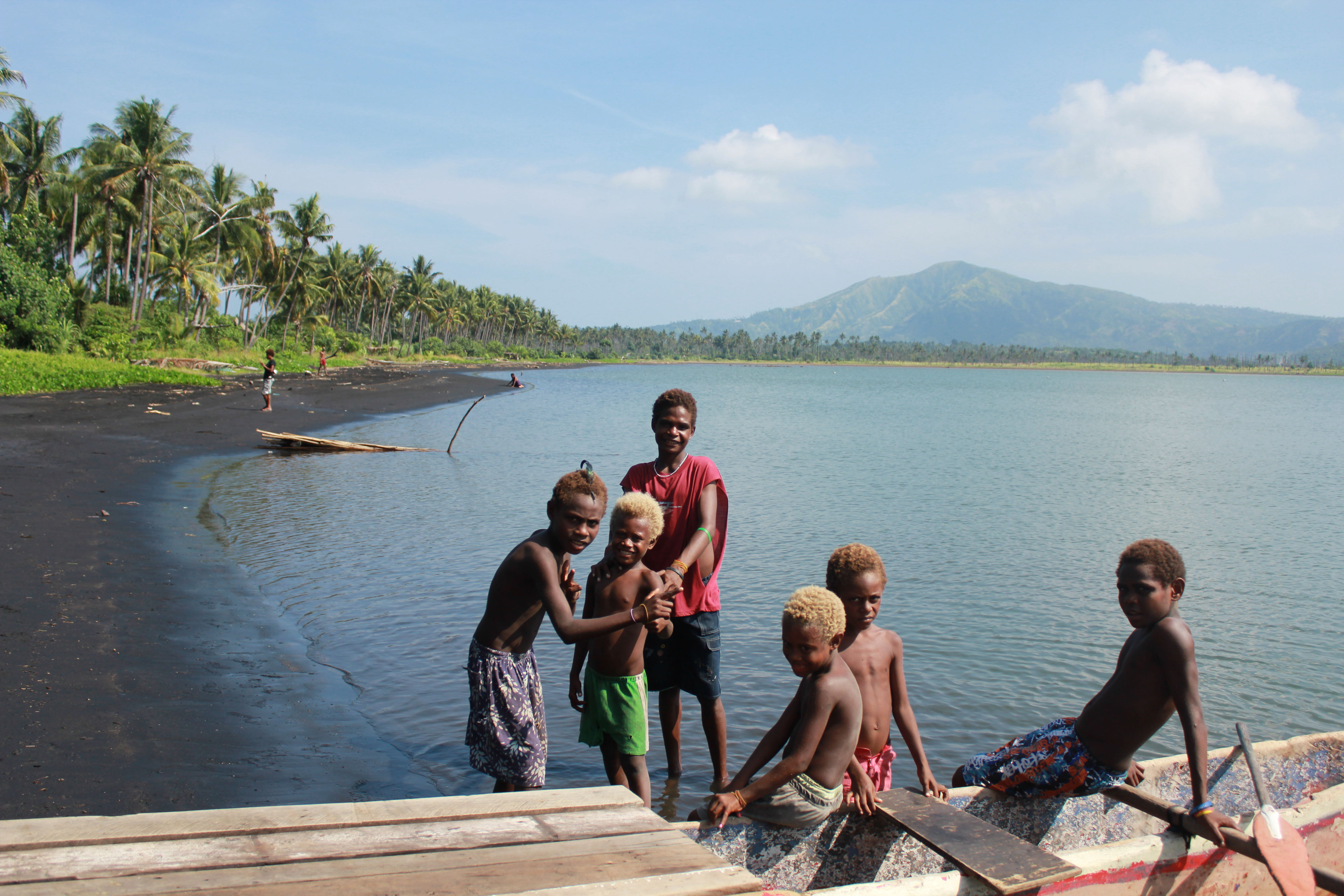
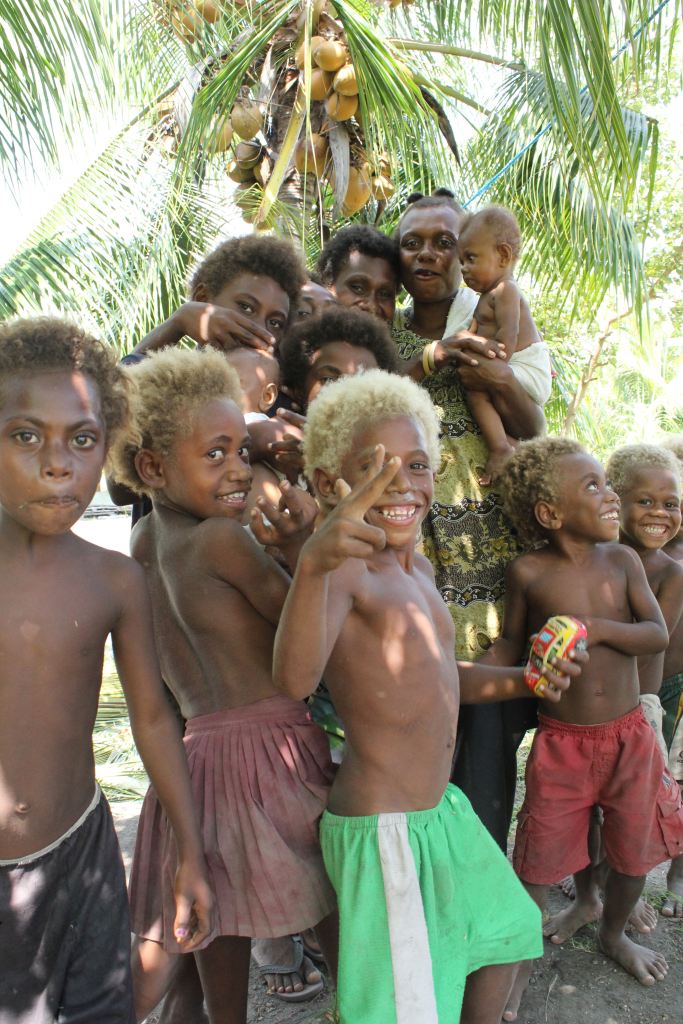
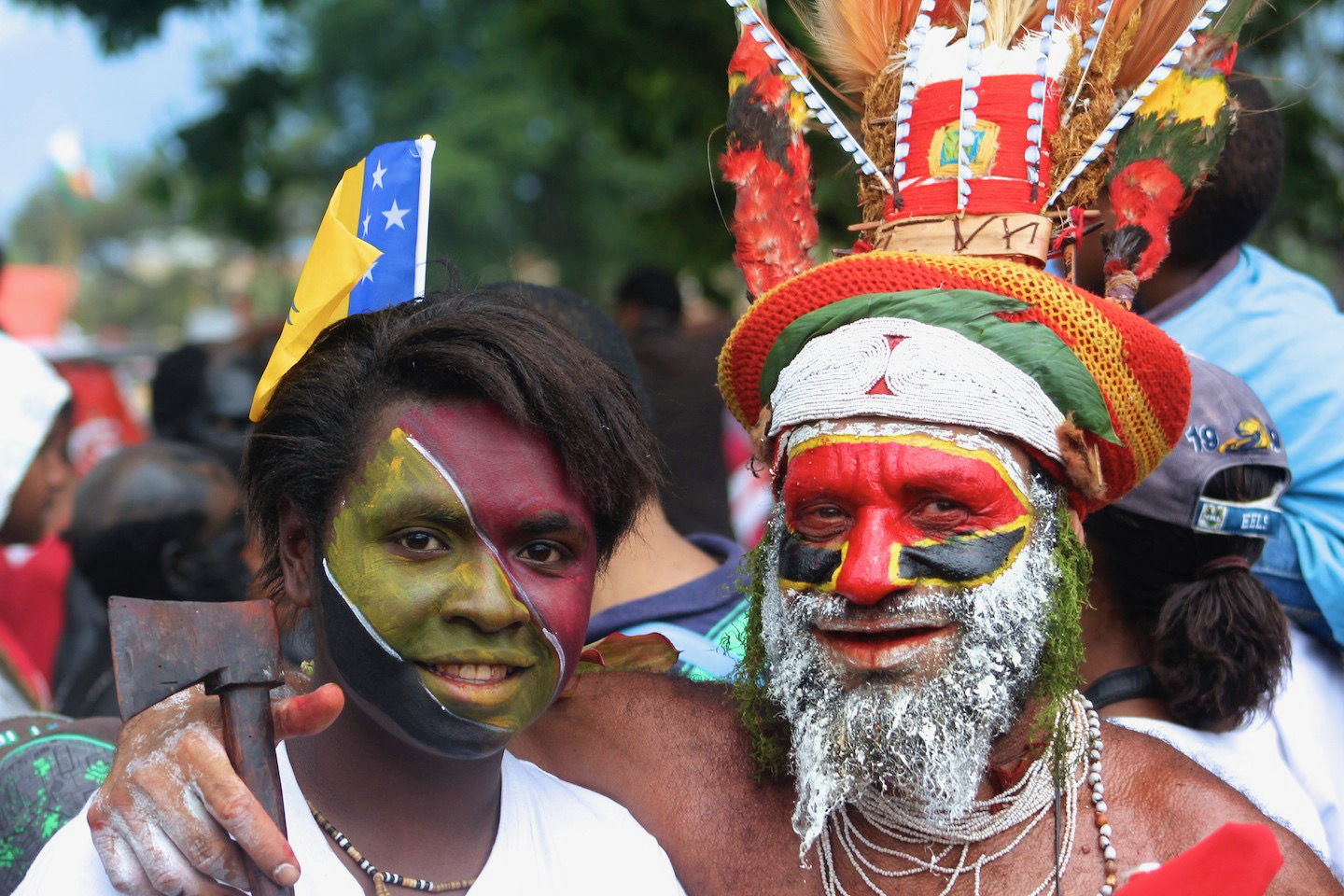
We meandered along the islands dirt paths through a blanket of giggling school children, some with striking blonde hair bleached by the sun and sea. The islands’ women demonstrated their crafts, before the inevitable PNG tradition of a ‘sing sing; men, women and children performed colourful dances as Tavurver smoked menacingly in the distance beyond the graveyard. The islanders tell us that they are not concerned though; they appease the volcano with adoration and respect.
There was still time before lunch to slip from the boat into the azure waters around ‘The Pinnacles’ (said to be the core of the ‘super volcano’) for some quality snorkeling. A smoking volcano, island sing sings and blowing bubbles with the fishes; It’s probably the best morning of any of my tour programmes…
Yet Papua New Guinea’s appeal is it contrasts. During our time there a group of Australian trekkers were badly beaten and robbed on the Black Cat Trail; some of their porters were killed. I read that 26% of men on the troubled island outpost of Bougainville admitted to having raped someone (other than their wife). The bars were still on the cakes; restaurants still guarded by armed security. Bottled (local) water is 16 times the price of what I am used to in Asia – it’s cheaper in Australia… The state relies on the Church to educate. Forty per cent of people exist below the poverty line in a nation where more than 1000 tons of gold has been mined in the last forty years. A country where until recently, a belief in black magic could be used as a partial defense for killing someone suspected of inflicting harm through sorcery.
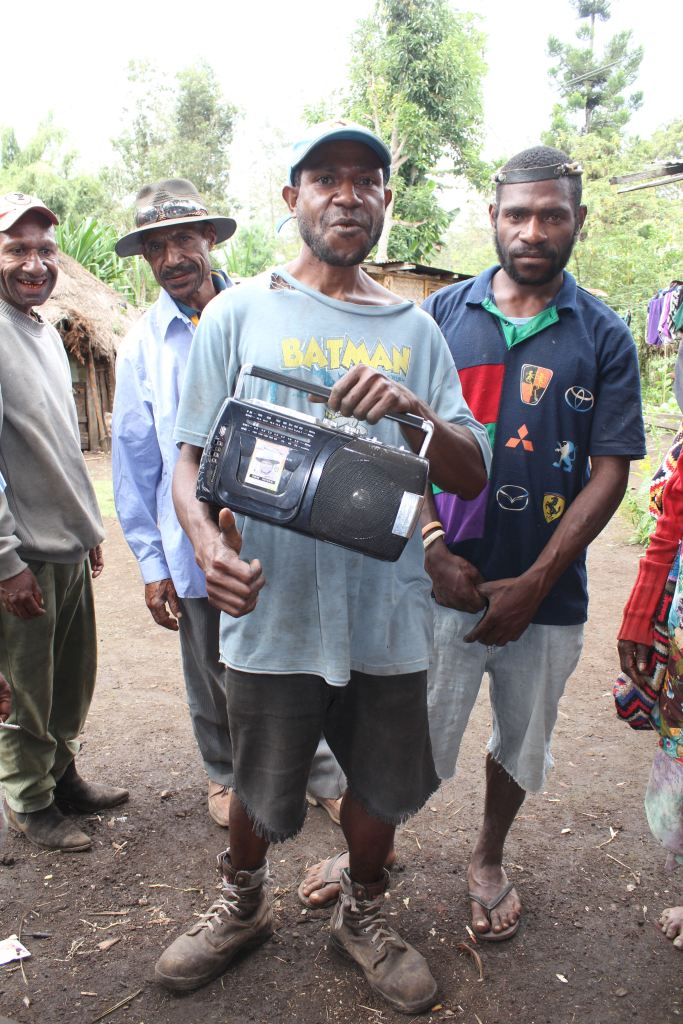
On paper – it’s a shocking place. But juxtaposed against this picture of a dysfunctional society is the gentle, kind nature of the people we met. University students, spirit house elders, boatmen and barflies; we were greeted with the same warmth, smiles and courtesy. Quietly spoken people who wanted to tell you about their country, about their lives.
From crocodile cults and crosses to spirit houses and churches; riverside villages that wake to the sound of the cockerel – and country music. From Birds of Paradise to Big Rooster fast food. PNG is a place that frustrates and fascinates – in equal measure.
It made little sense to me last year – and makes little more this…


 The Lonely Chopstick