
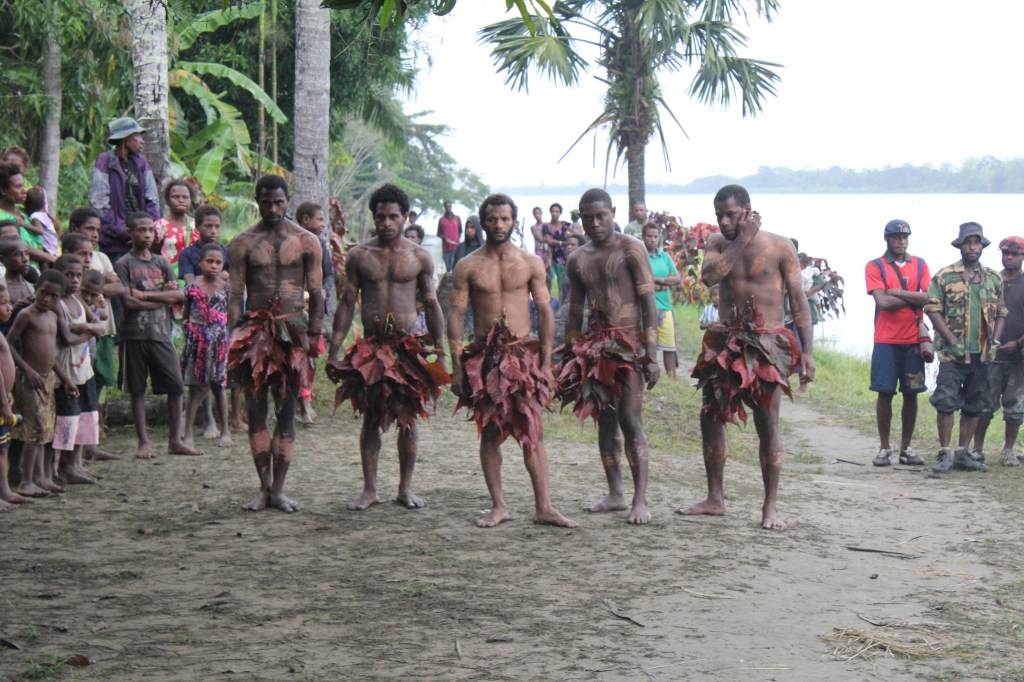
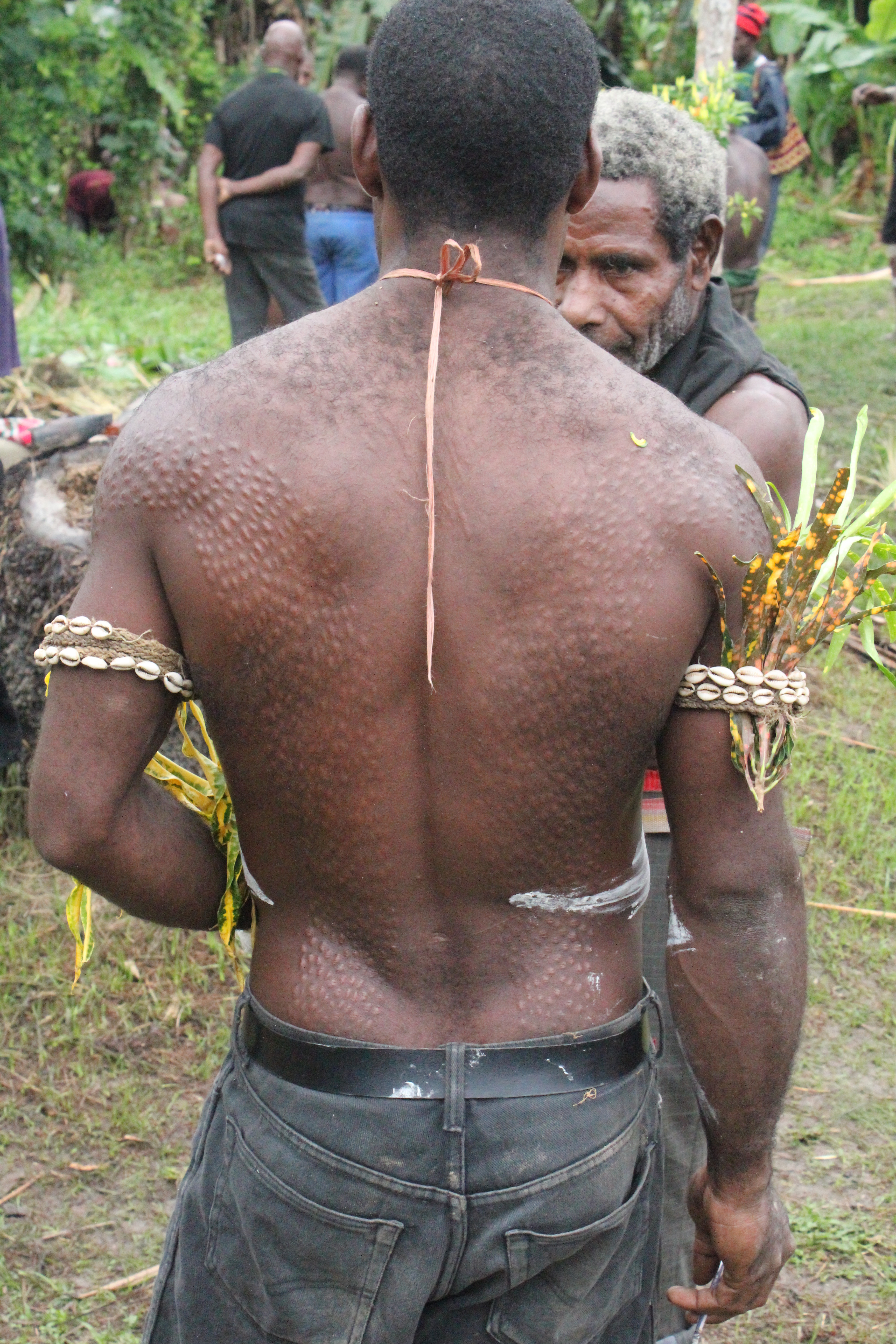
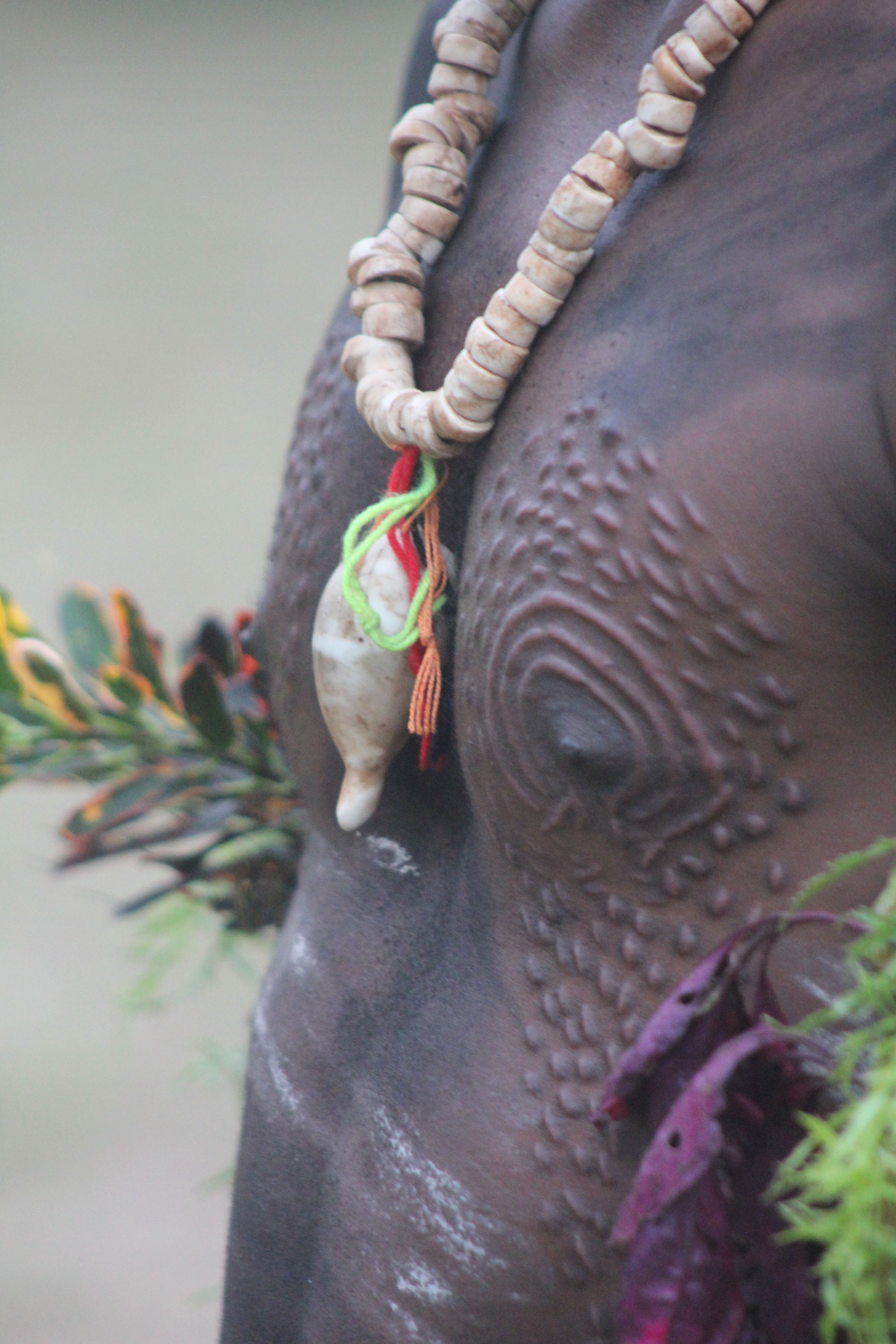
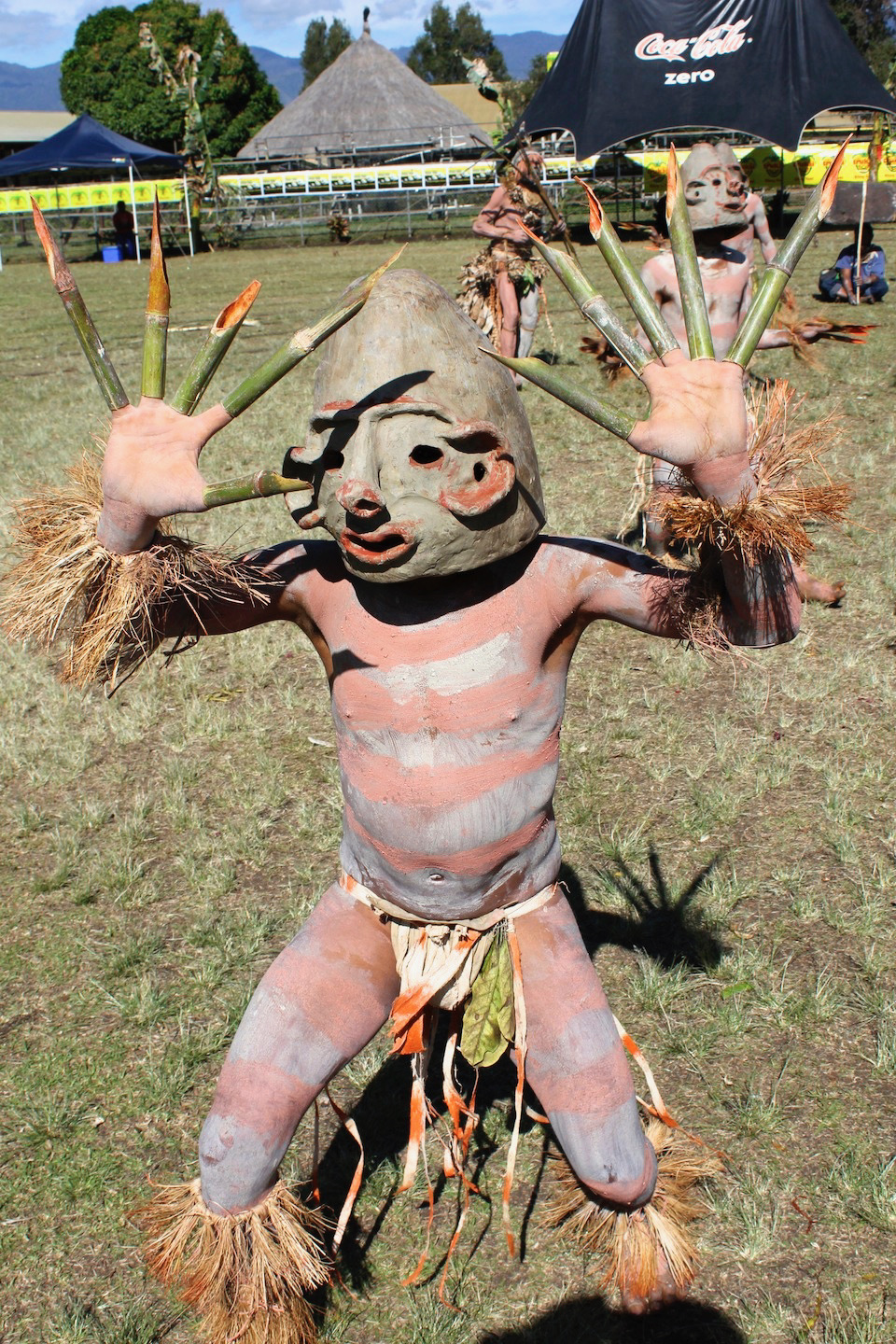
The screams still haunt me… Apocalyptic flashbacks to the jungle of Papua New Guinea where scarlet trickles of blood run down the backs of five freshly carved initiates. The pulsating sound of village drums as our canoes pull up on the shore, beside the spirit house. Outside a human representation of the crocodile, a dozen men richly decorated in foliage twist and turn to the hypnotic beat. Those young men’s screams as the brown waters of the mighty Sepik drench the freshly exposed pink flesh. These wounds will be deliberately prevented from healing to create the welted skin effect, the scars of your initiation into the ancient crocodile cult. The young men will now spend weeks or months beside the fire in the spirit house, being taught the skills of manhood by village elders, already rich in crocodile decoration.
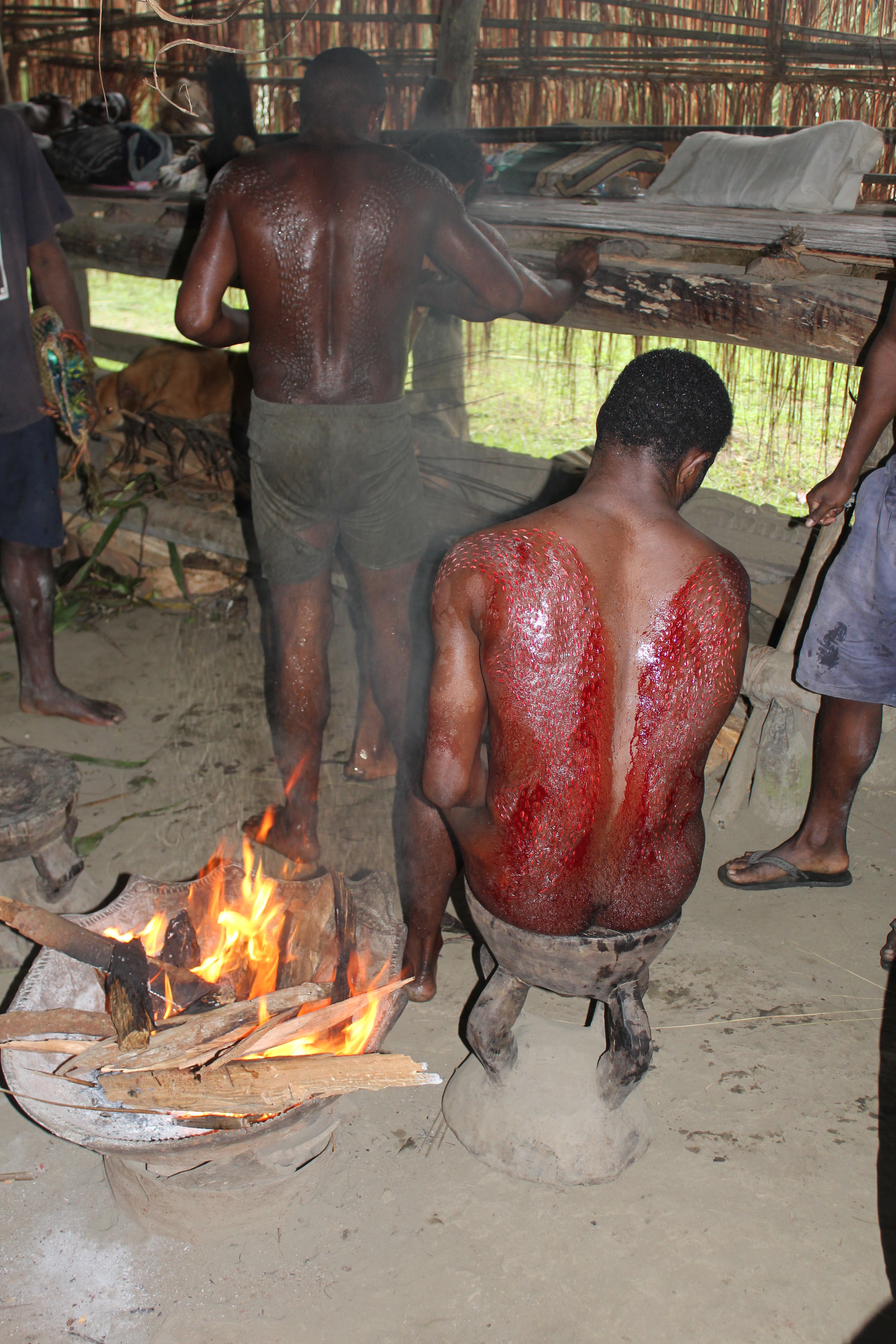
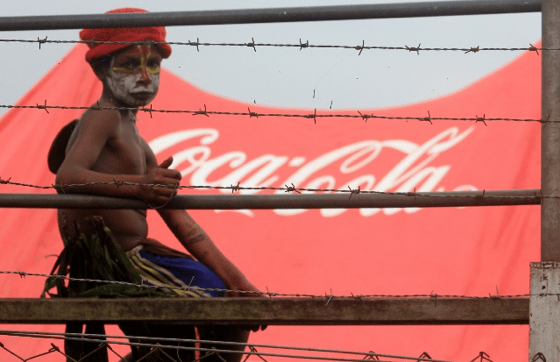
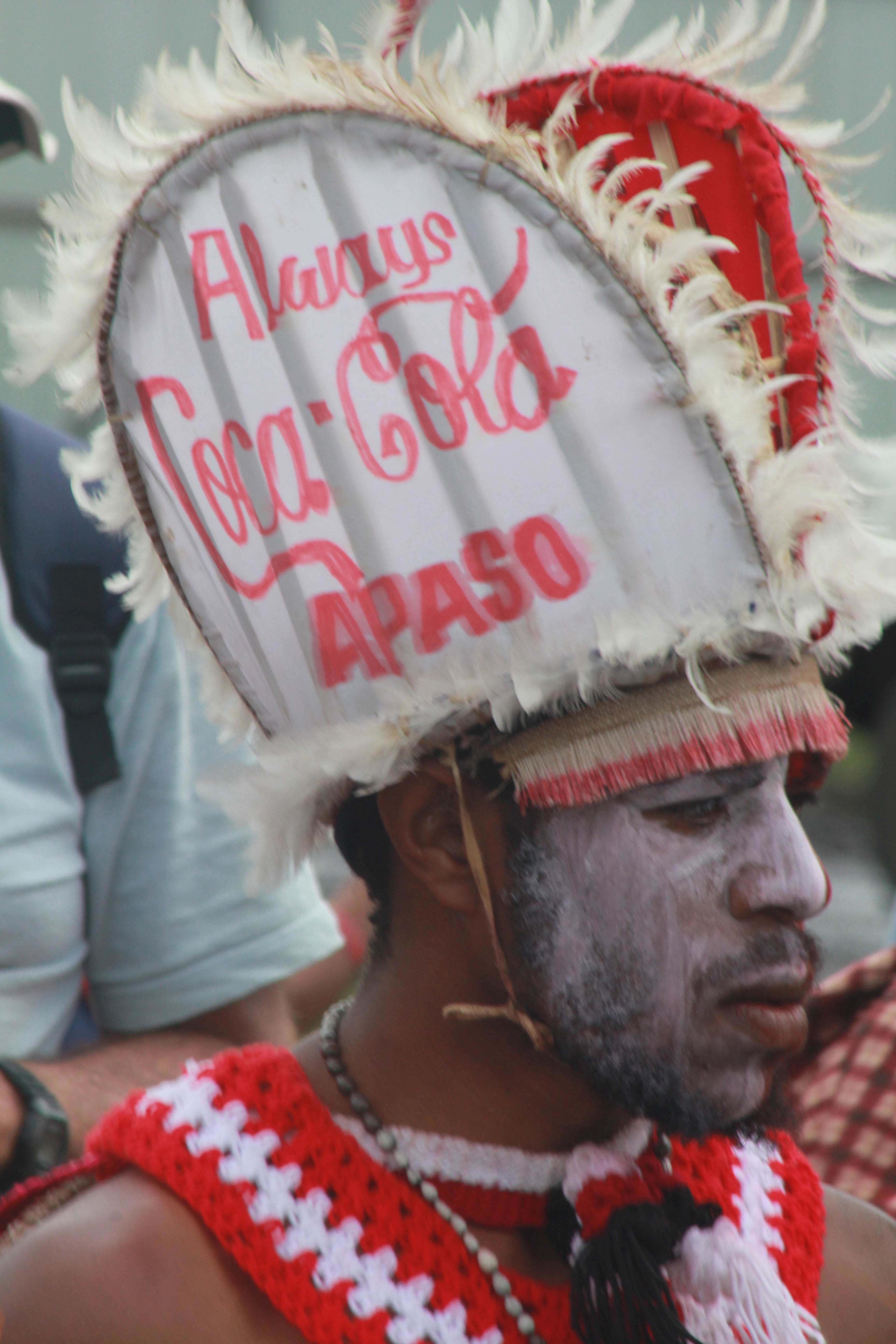
It’s contrasts that ignite our emotions and fuel our travel memories. A few days previously I was in Foodland Supermarket in the capital, Port Moresby. A cross between Cape Town and Darwin, the capital isn’t connected to another city. Two weeks on and PNG still doesn’t make sense; these contrasts seem richer than anywhere I’ve been; Freshly cut pink flesh and black skin. Tribal culture and private security firms. Betel nut and coca cola. Barbed wire beaches. But the disparity between rich and poor is what I found the hardest to understand.
It’s an indication of PNG’s order of priority the customary free map and info brochure at the airport in the capital is not produced by the tourism board – but instead we are welcomed with a ‘Handy Mining/Petroleum Guide’. In $300 a night city hotels the smug chuckles of the oil and mineral raping industries reverberate from tight belts struggling to deal with overfed bellies. Greedy handshakes are exchanged over corporate beers; the blues n’ browns of The Clash’s ‘..Clampdown’. The handy guide’s History of Mining page conveniently skips the Bougainville disaster where corporate greed led to civil war, but it does mention the Porgera, mine, 95% Canadian owned , which ‘resulted in a boom which is unprecedented in the region’.. However the mere 16m tonnes of liquid waste which slips silently into the river every day escapes a mention. In a country where free education is still a promise, the Porgera mine has 28 million ounces of gold in reserve. In a nation which ranks 176 on health globally – every minute an under 5 is dying of a preventable disease or a mother dies in childbirth – there is a further 48 million ounces in resource. I don’t know anything about gold – but it sounds like enough to sort out some of this imbalance…
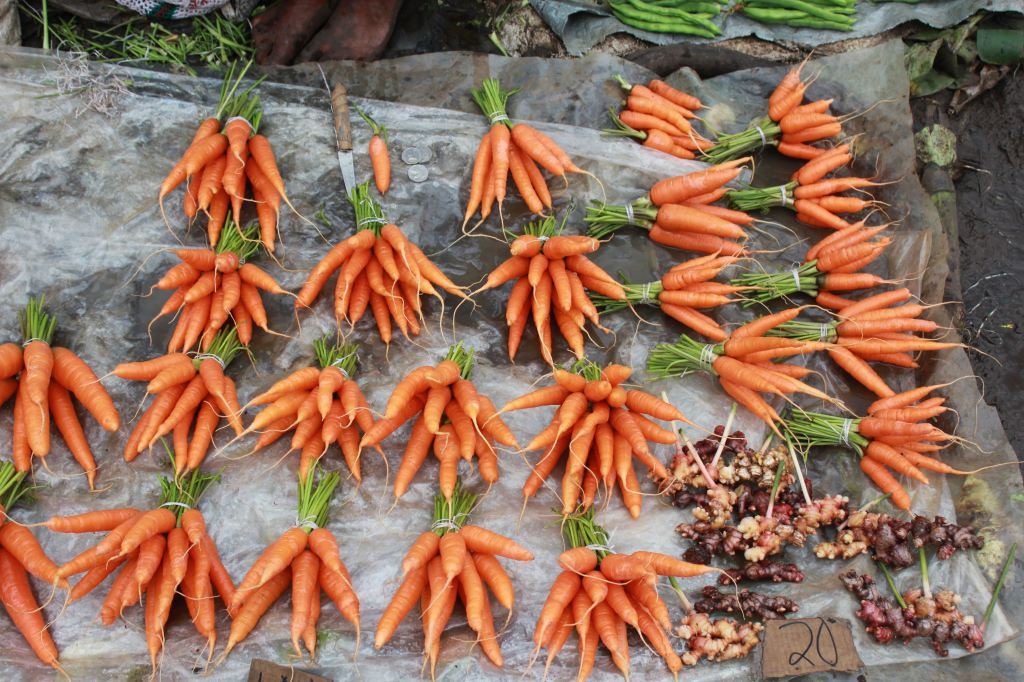
As a slice of ‘rattle and hum’ pizza doesn’t cut it for me, I venture out to find ‘local’ food. In pidgen English worried security guards ask where I’m going – ‘to meet the people’ of course! The street talks louder than books; ignorant avoidance and alienation only breeds anger and resentment. The dusty stares are immediately broken once I crack a smile. Betel nut sellers, sitting beneath umbrellas angled to ward off the burning sun, encourage their infants to say hello. They will need to sell 60 betel nuts for a slice of that Rattle n’ Hum pizza. Outside the barred liquor store my hand is shaken repeatedly, and people beg me for a snappy (photo). Next to the liquor shed is the ‘Kai’ bar – where lucky locals get eat out. But there’s no fresh woked vegetables, no noodle soup or rice porridge. Rice, the staple of any developing nation’s diet, is a relatively expensive import – in a land of rich volcanic soil and a green (rainy) season. On offer (behind bars) at the kai bar are deep fried root vegetables, and (for the lucky) battered spam and disturbingly bright savaloys.
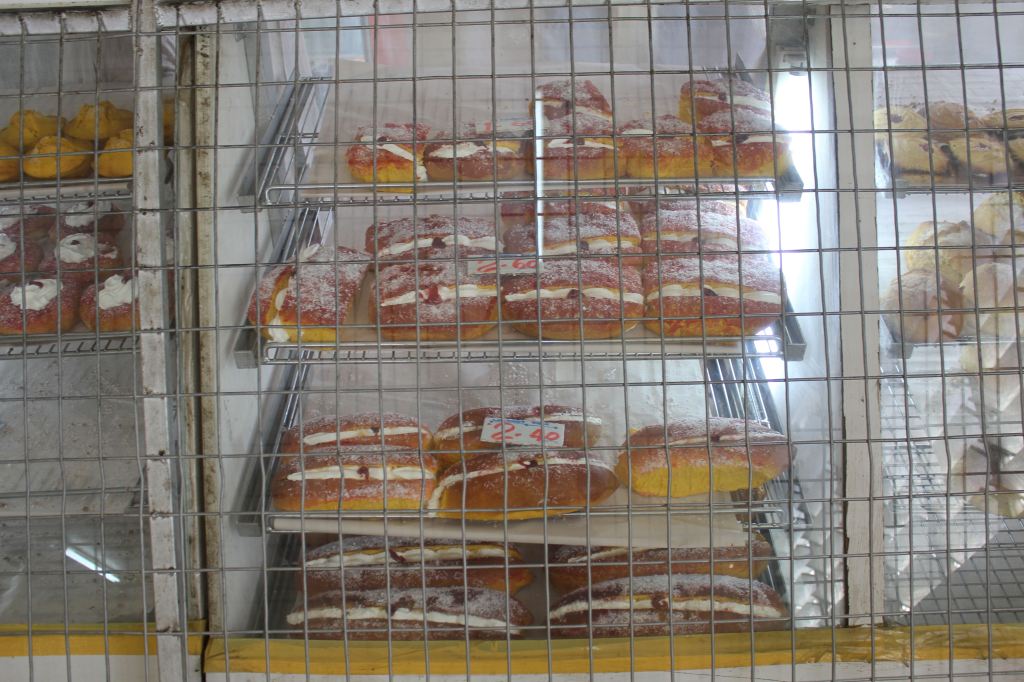
In most Asian countries you can eat for a dollar or so – but in a nation surrounded by ocean and crossed by rivers – there is a protein deficiency. Even those well-off have to fork out $25 for a fish that only has to cross the road from the ocean… Corporate greed has fuelled an artificially inflated economy. From food to flights, from internet to phones, PNG has become a developing country with (Me) First world prices. So little is pumped back into infrastructure the country either flies – or walks. I can’t recall seeing a motor bike in the country – just dusty tracks for the 80% unemployed town folk to shuffle back and forth along. Most are content to stand on street corners and outside Chinese owned supermarkets. Everything in towns is protected by security – even the buns are behind bars.
With just 3% of GDP spent on healthcare, the government do have a neat plan to keep life expectancy up – taxes make a pack of locally produced cigarettes cost $15! Even the poor can’t smoke their way out of misery… Help is on hand though – rough local tobacco rolled in newspaper sells for twenty five cents a puff…
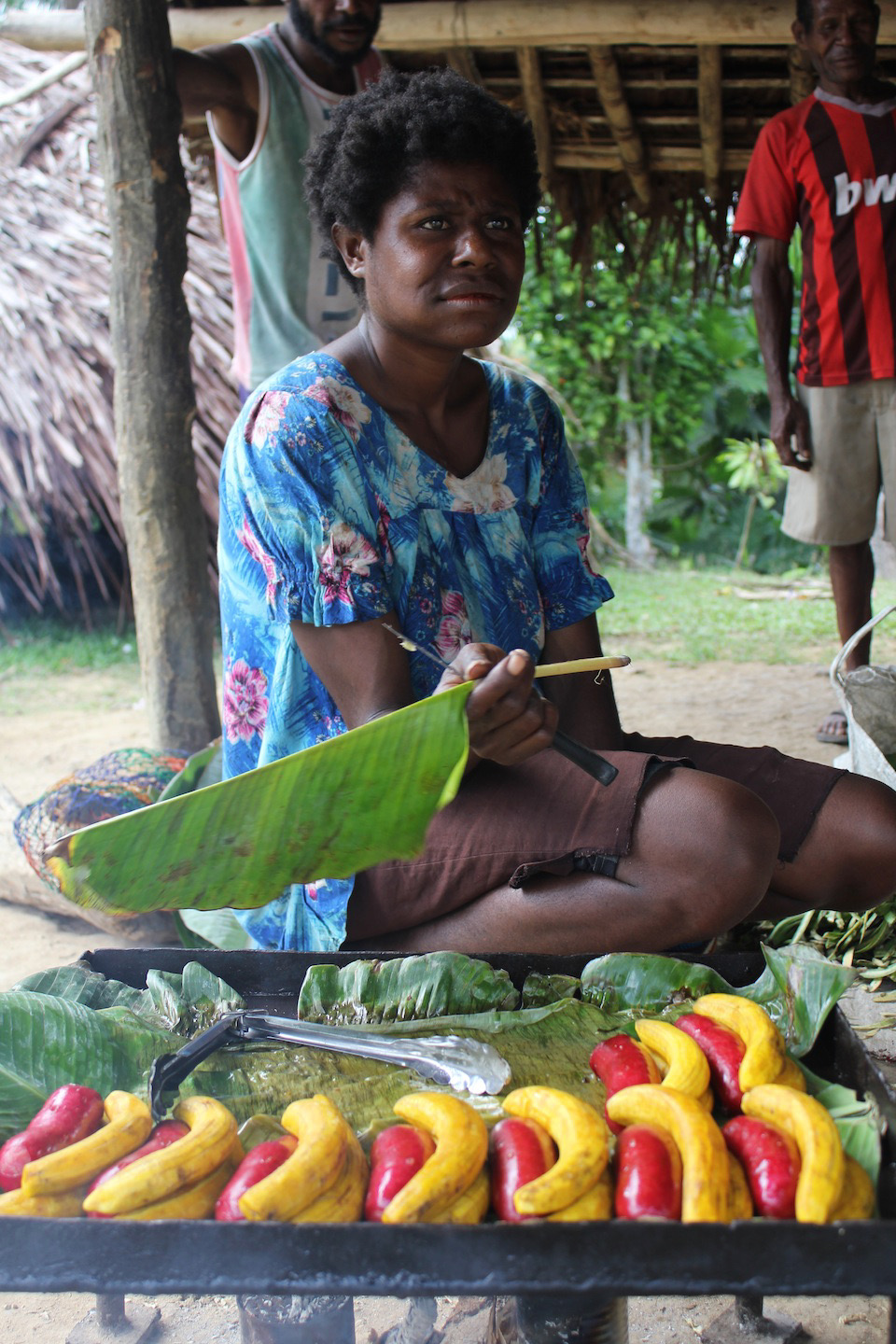
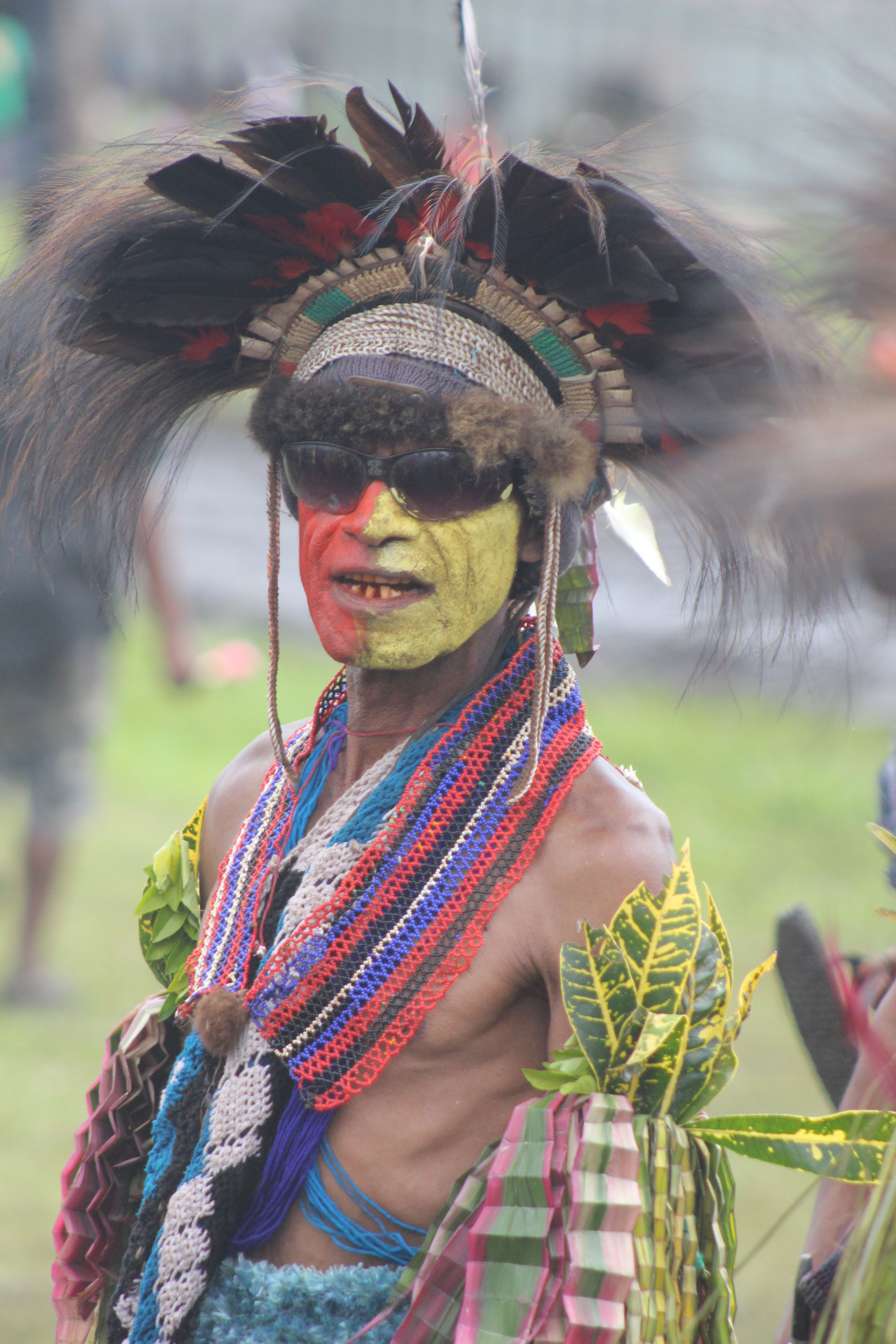
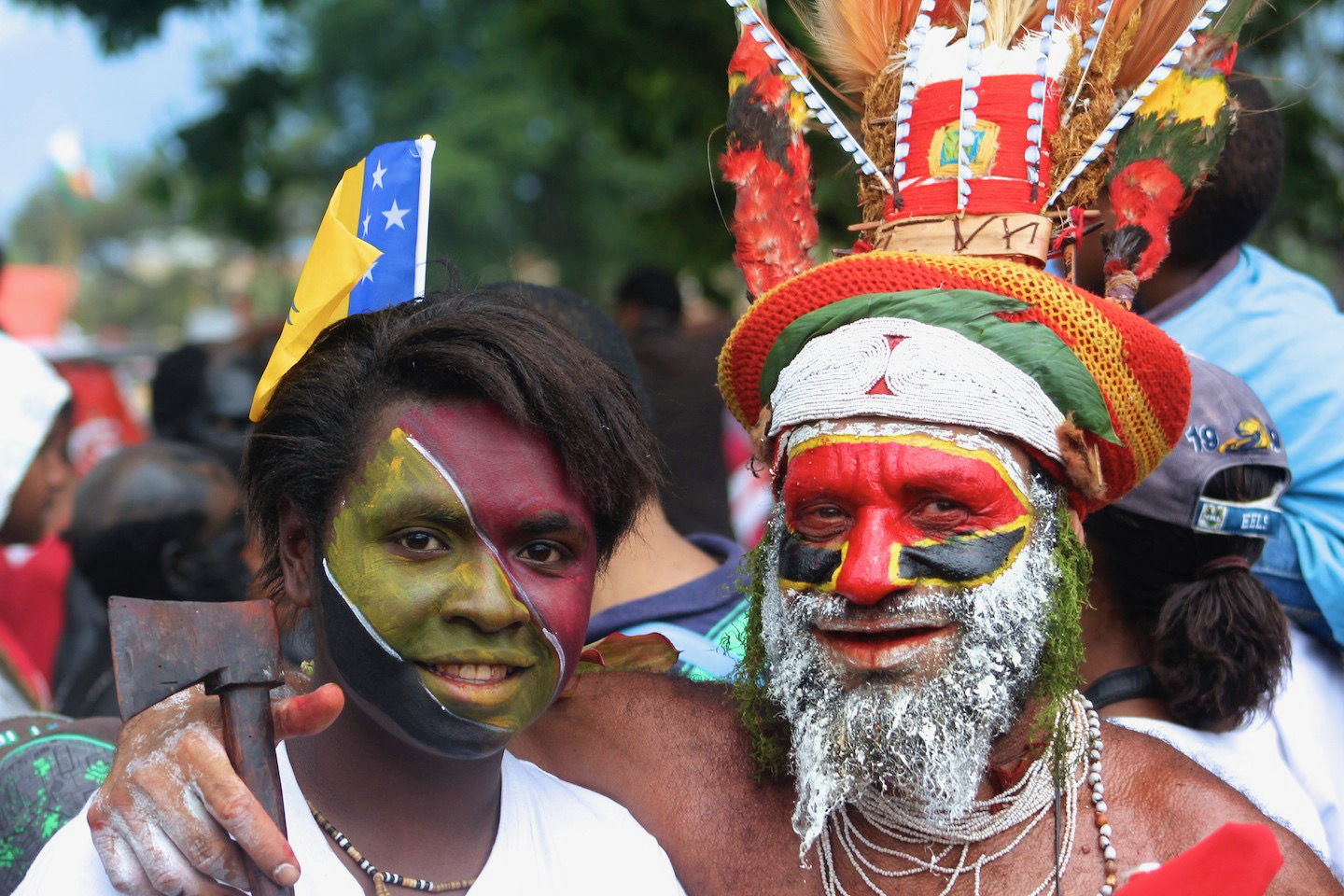
Juxtaposed against this bleak backdrop where around 60% of people live in poverty, are the memorable smiles and incredible warmth of the PNG people. The wantok (‘one talk’ in Pidgen) system encourages people to look out for their ‘brothers’. It’s one of the friendliest places I’ve ever been, proving once again happiness can be inversely related to wealth. Everywhere I went I met people, shared smiles and knowledge. There’s richness in the culture that far transcends material wealth.
From barred buns to coral reefs, coca cola to crocodile cults; PNG is rich in contrast – and unlike any other place I’ve visited…
 The Lonely Chopstick