
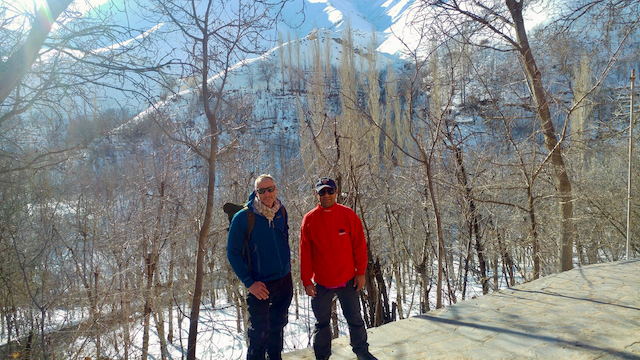
My boots sliced through virgin snow and my upper legs were already in overdrive; lifting high and plunging deep into a frozen blanket. The chill of freezing air filled the fresh impression up to my knees. A passing stranger provides an excuse to catch a breath. Time loses its meaning in the mountains. My new friend removes a glove, shakes my hand and passes me a sweet. The previous night I stood sweating on the runway of Qeshm Island, waiting to board a two-hour flight north to Tehran, after a week’s travels around the incredible islands and beaches of the Persian Gulf.
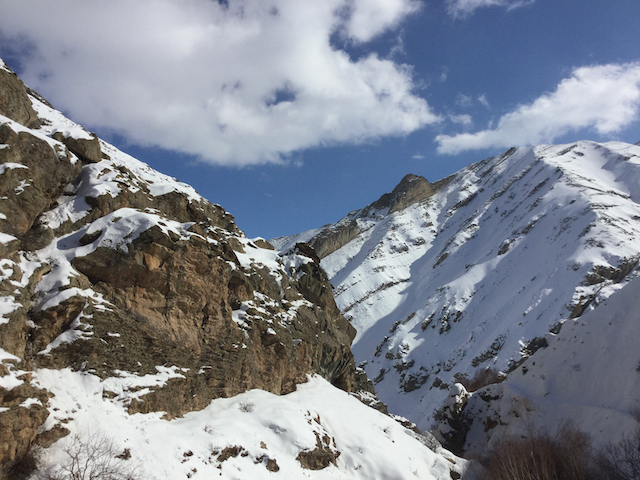
The omnipresent sun which had glistened on the peaks of coastal waves was now bringing a crystal sparkle to dazzling white snow. The crisp mountain air was invigorating, nullifying any weariness from the snippet of sleep that separated the beach from the mountains.
Contrast and curiosity fuels our travels; that difference between the norm and the undiscovered creates demand for people to put themselves through physical discomfort to venture to some of the most inhospitable places on earth. The desire for contrast inspired me to experience two of Iran’s least celebrated physical highlights – back to back.
Iran is a land of physical and cultural contradictions. Surprisingly, deserts account for less than a quarter of the ancient land mass. In the fertile regions around the Caspian Sea in the north, rolling hills plunge dramatically into vast emerald plains; ideal for cattle herding, dairy production and rice paddies. For millennia the lofty Zagros (east) and Alborz (north) mountain ranges and the Persian Gulf restricted hostile incursions to a minimum – and only by the mightiest (Mongols, Tamerlane, Alexander). However, natural migrations of tribes and ethnicities from Central Asia and the Gulf region into ancient Persia, along with the Islamic conquest and subsequent squabbles, has gifted Iran a cultural melting pot of religions, traditions and ethnicities, influenced by its geography.
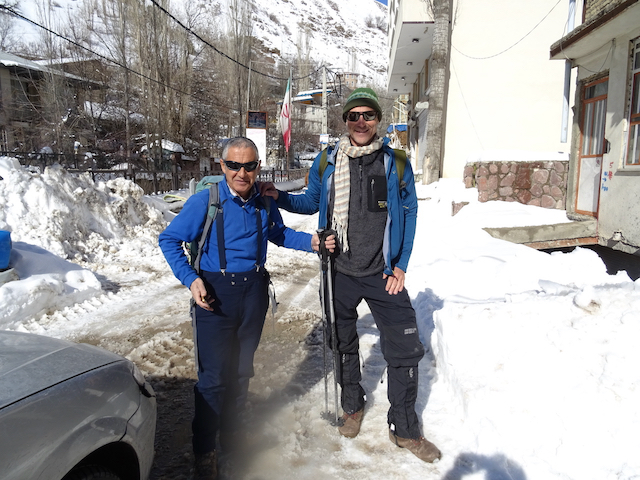
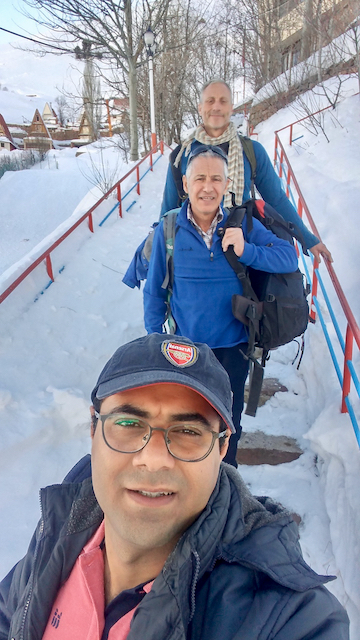
My trusty friend and fixer, Amin, is once again by my side, along with Salim, a man whose love for these mountains excluded him from the post-revolutionary exodus of many of Iran’s Jewish communities. Salim first led me to the summit of the highest point in the middle east, Mount Damavand, in 2010 – and he’s one of the first people I contact in Iran when I think of going to the mountains.
Mountains have long been associated with freedom in Iran. In pre-revolutionary days, mountains were one of the few places people could escape the watch towers of the hated SAVAK, the Shah’s secret police. Mountains became the focus of the Green Revolution, sparked by Ahmadinejad’s contested 2009 election victory. The freedom slogans sprayed on the rocks may have long been painted over, but it’s still a place to escape the prying eyes of the authorities. Headscarves are relaxed, knees exposed and the smell of moonshine competes with the smoke from barbeques; a tacit understanding that Islamic Law is tempered at altitude. Mountains provide an unofficial release valve, where the pressures of the revolution can be momentarily forgotten. Or laughed about, dryly. Hal kardan, The Persian concept of finding joy in everything, is a unique way that Iranians deal with adversity.
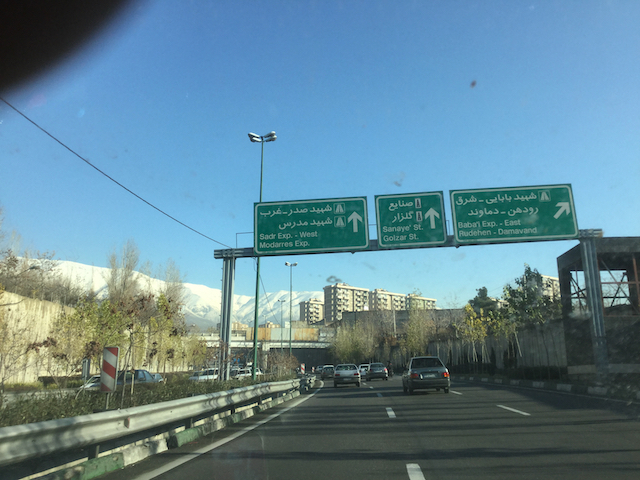
Our plan was to make a winter ascent of Mount Touchal, a significant 4000m bump in the Alborz. As the highest point accessible from Tehran on a day trip, it’s a popular summer trek for Tehranis as they seek escape from the heat, pollution – and frustrations – of the sprawling metropolis below. In a few months the tiny village streets and alleys skirting the picturesque foothills of the Alborz will be gridlocked with BMWs competing with battered 20-year-old Iranian Paykans for a place to park up and take to the hills. In Iran, the desire for freedom is universal.
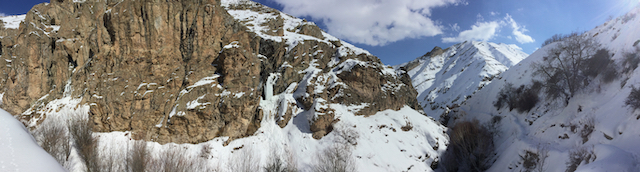
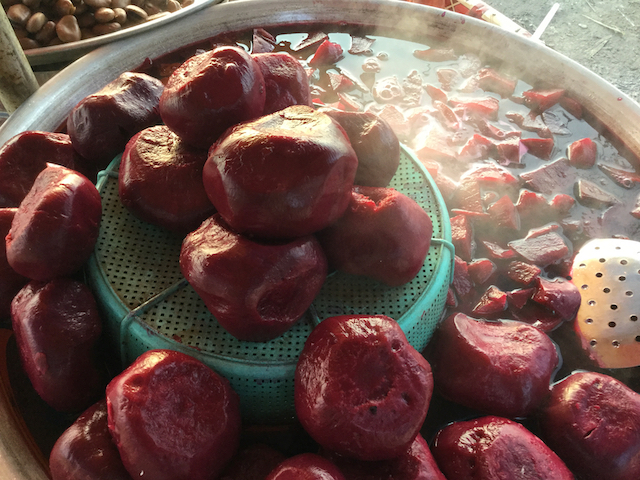
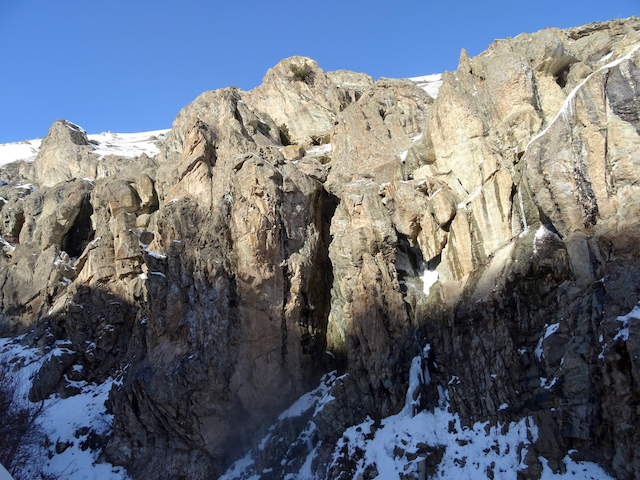
Winter in the mountains is a different story. As temperatures plummet below zero a picture postcard blanket of snow and ice envelopes the tea houses. The rivers of snowmelt that gush hypnotically beside these summer sanctuaries fall eerily silent. Instead, melting ice trickles down the stone paths, creating hazardous walkways which thaw and refreeze as the low winter sun completes its cycle. The tempting stalls lining the teahouse routes offering fresh and dried fruit, honey, nuts and fresh juices have disappeared. Now temptation comes from a few hardy vendors selling hot caramalised beetroot and fat hand cut potato fries.
The Alborz range that towers over Tehran is dotted with trekking routes, tea houses and shelters – all the way down to the Caspian Sea. In winter these mountains create an unforgiving environment where only dogs, wolves and bears survive. After a few aborted attempts, we decided that the mass of snow was too hazardous to trek up to Mount Touchal. Two popular ski resorts sit barely a couple of hours above the city, so instead we decided to spend the afternoon trekking around Shameshek – which would provide plenty of warmth and comfort later.
My latest adventure is almost over. From fishermen’s huts and speedboats to mountain lodges and ski slopes. From wind towers and colonial castles to log fires and to ice caves. From Chinese tuk tuks and shrimp samosas to ski lifts and caramalised beetroot. From the beach to the mountains – this fascinating land of contrasts and contradictions never fails to amaze me.
Soon, freshwater springs will thaw and drip by drip the rivers will fill and sparkle again. Fruit blossoms will explode and a hazy pink canopy will skirt the deep blue sky and the air will hang with the sweet scents of spring. Higher up the trails teahouses will clear slush from doorways and the homely aroma of smouldering coals will once again fill the air. And I’ll be back again.


 The Lonely Chopstick