
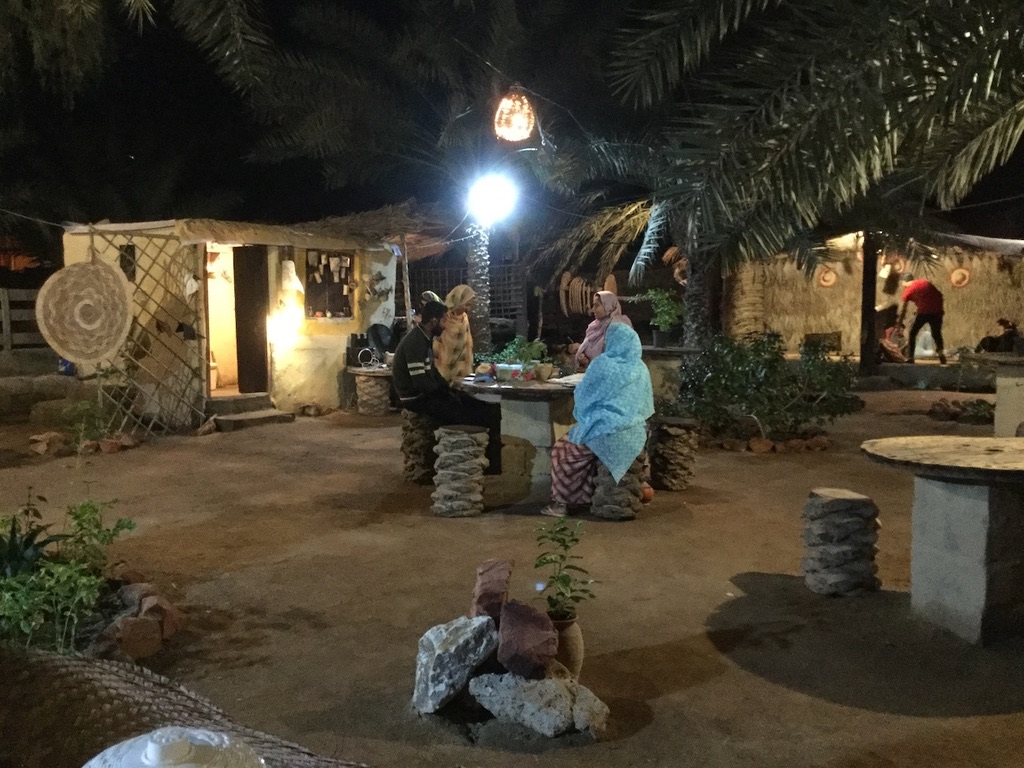
I still regret not asking the shrimp mafia for a second explosive hit of mutant crustaceans. Subtly dusted with spices and flash fried in a cabin beside a lagoon in Baluchistan – they remain the culinary zenith of my travels in southernmost Iran.
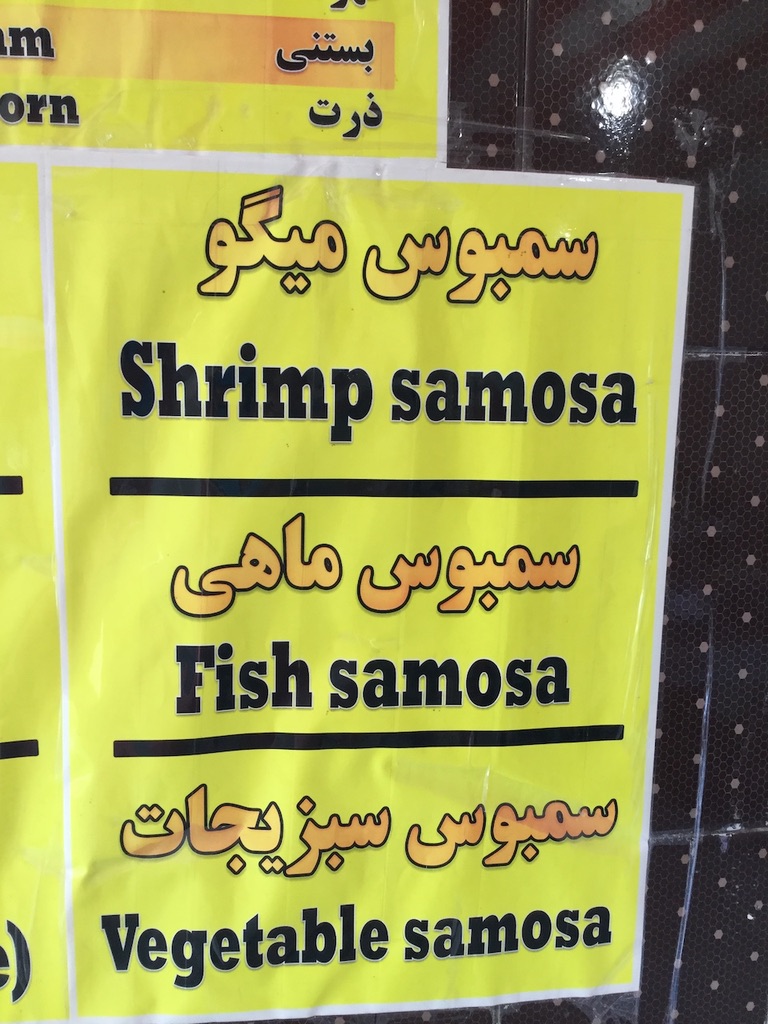
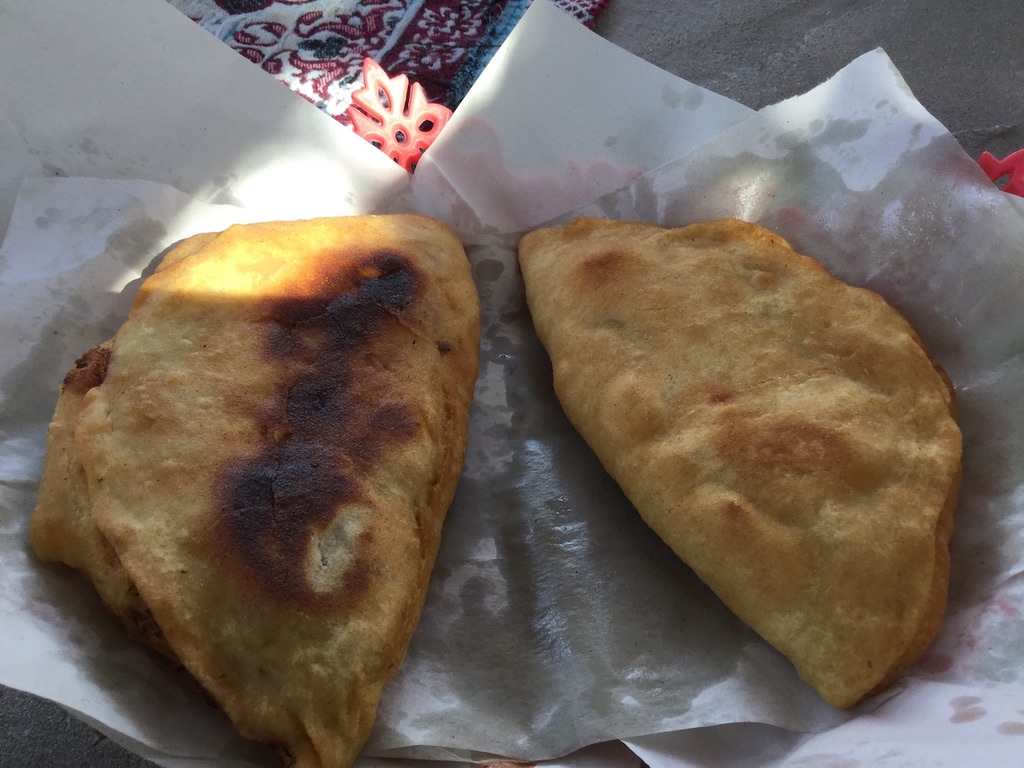
Almost equal, though, were the seafood samosas on Hengham Island. Already late for the return boat, it didn’t stop me ordering a second plate of giant samosas, crammed with fresh fish and shrimps. The food of the Gulf islands added a new, locally caught, twist to the already rich Persian platter. Even soil from the Rainbow island of Hormuz Island makes its way into the pan!
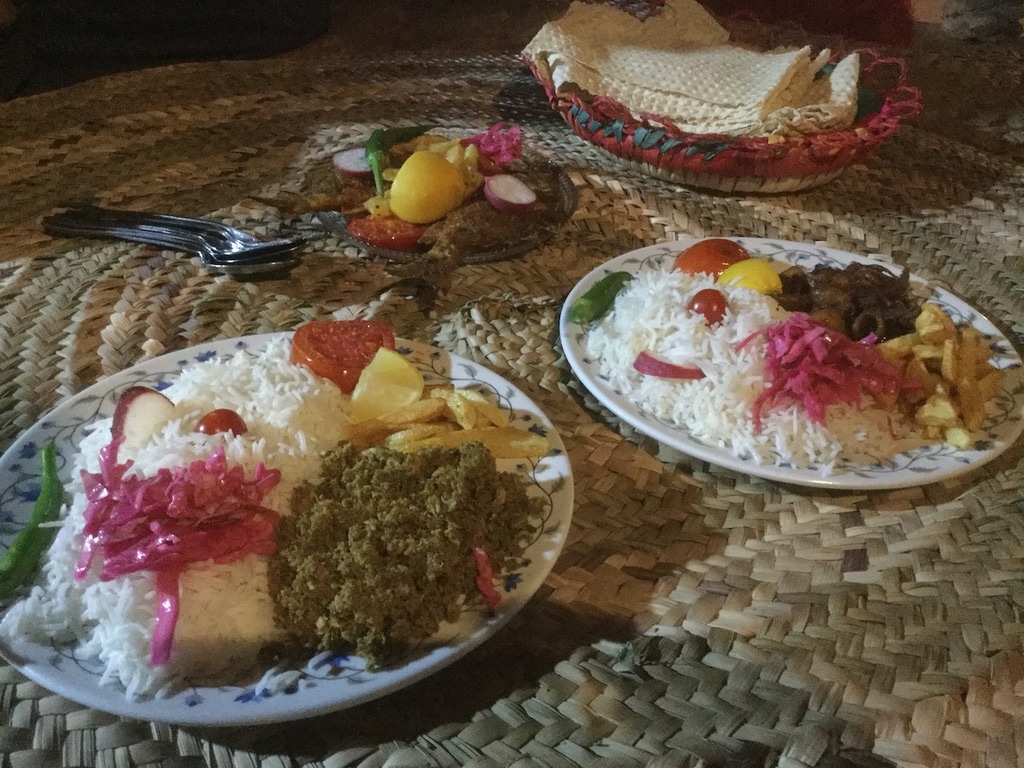
I scowl when people tell me that they didn’t like Iranian food. On my travels in Iran I’ve enjoyed the freshest mountain trout butterflied, smothered in saffron butter and bbq’d on coals beside the lake that spawned it. Fruity stews bursting with plums, prunes or apricots. Dishes soured with pomegranate paste or ‘zoresh’ – tiny tart barberries from the eastern region. Chicken kebabs smothered with lemon and saffron or lamb minced with fresh herbs and onion. Torsch (sour) kebabs marinated in walnuts and pomegranate. Wonderful baklavas in the north east and ubiquitous traditional Yazd sweets and biscuits. The freshest fruits from fertile valley orchards, hand crushed walnuts and indulgent fresh yoghurts, cheeses and creams in the northern dairy herding provinces. All scooped up with the essential flat breads, fresh from the clay tandoor ovens found in even the tiniest of Iranian villages. The humid northern coastal plains of the Caspian region provide the fertile fields for Iran’s champion rice varieties. Rice is prepared in a multitude of ways; flecked with herbs, dotted with barberries or pulses – or just topped with saffron infused golden grains.
On Qeshm Island my friend and fixer Amin asked our slighty disinterested driver about local restaurants. He sprang into life – seemingly visualising menus and breathlessly reeling through the dishes. The few words of Farsi I understand were enough to leave me salivating – mohi hast (fish has), meygoo hast (shrimp) karchang hast (lobster) occasionally adding hast ghosmezeh (‘has tasty’) indicating the best place to eat that particular dish.
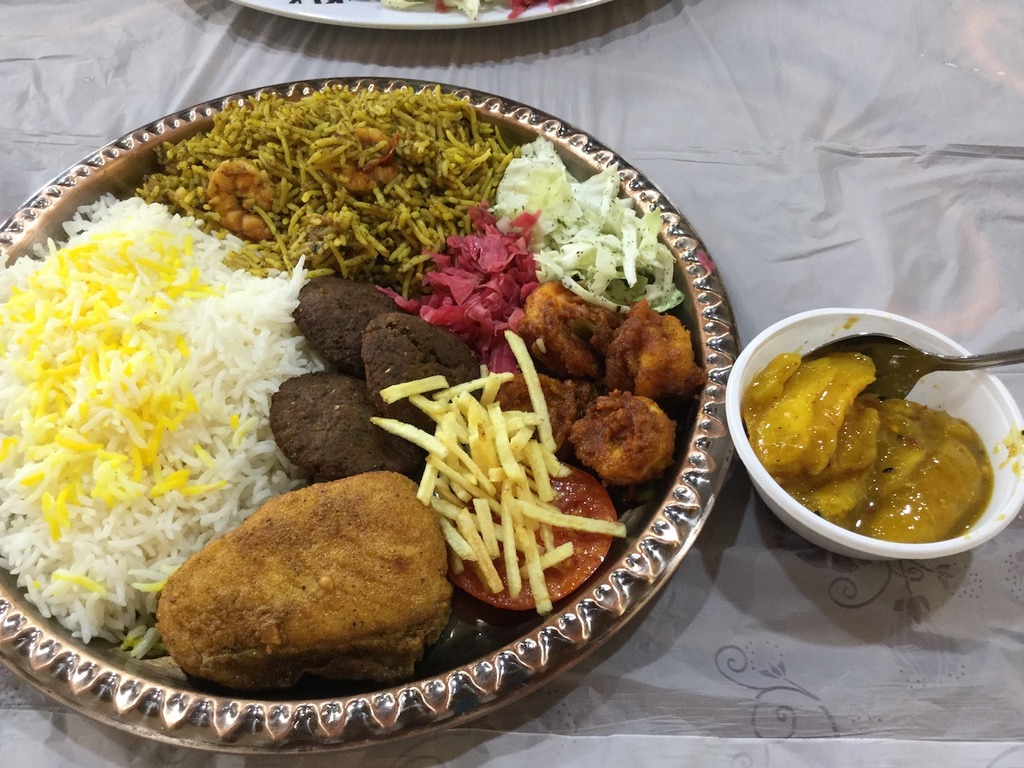
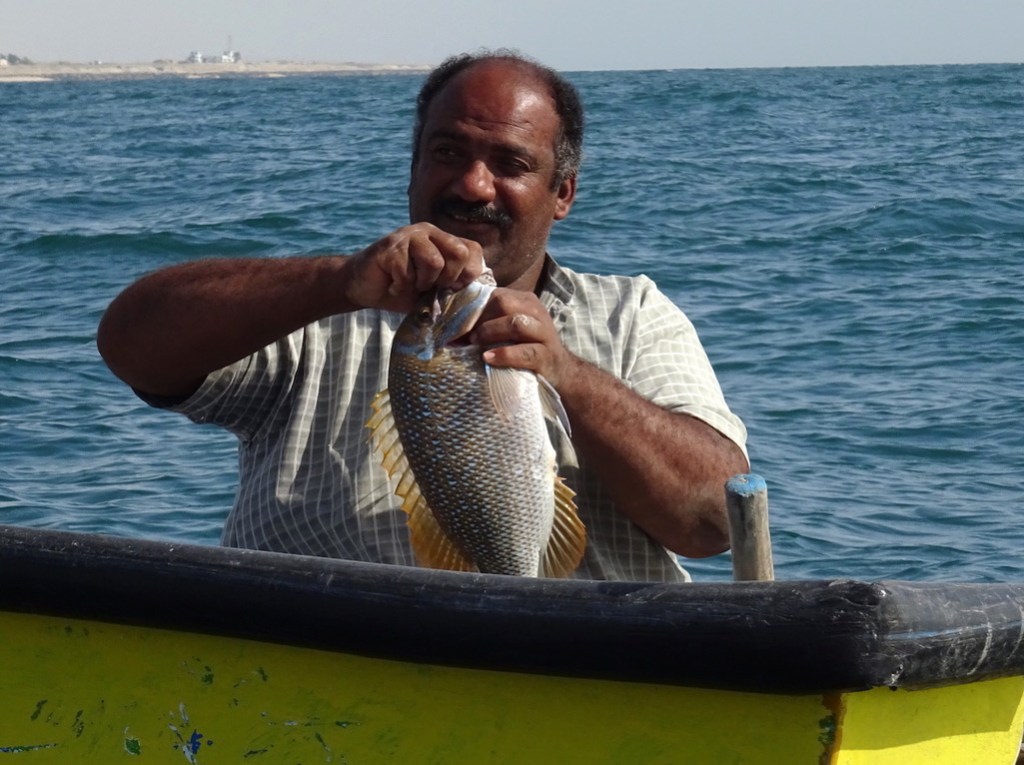
Fishing has been the major industry for the islands of the Persian Gulf for centuries. Boats of all sizes head out at dawn, returning as the sun sets laden with the days catch. As the temperature drops, islanders sauté the octopus, squid, fish and shrimps with onions, tomatoes and a local mix of ten spices and herbs including turmeric, cloves, dried rose petals and cinnamon. Dishes are accompanied by an abundance of the super-tart mango pickle which I first encountered in Baluchistan.
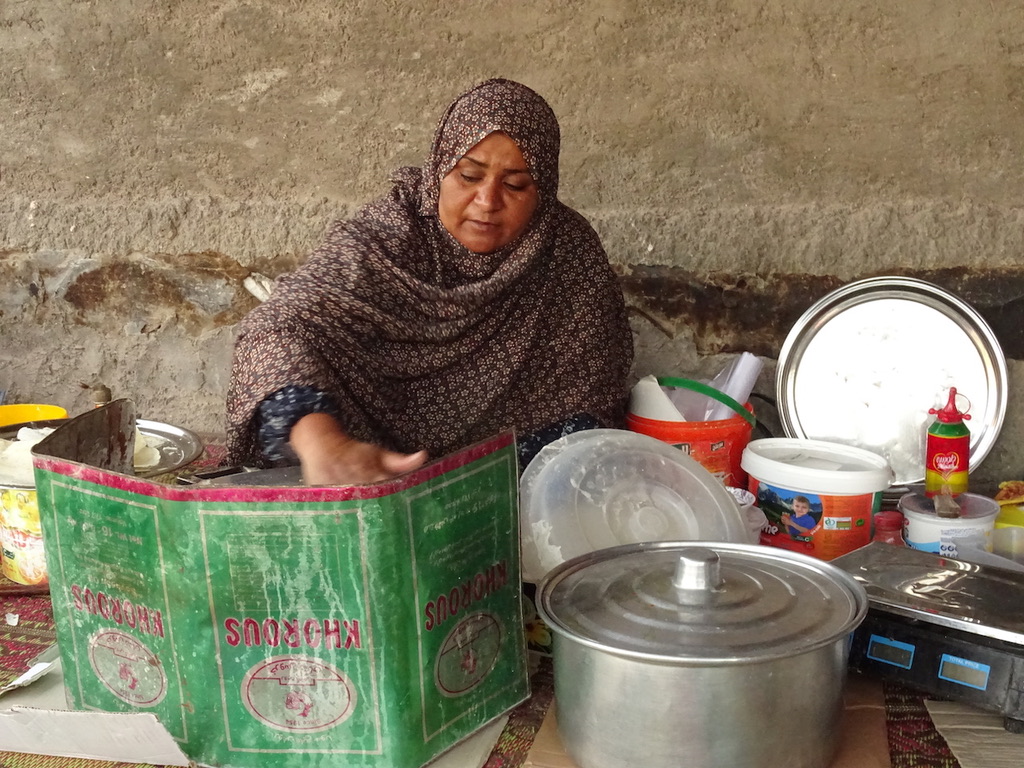
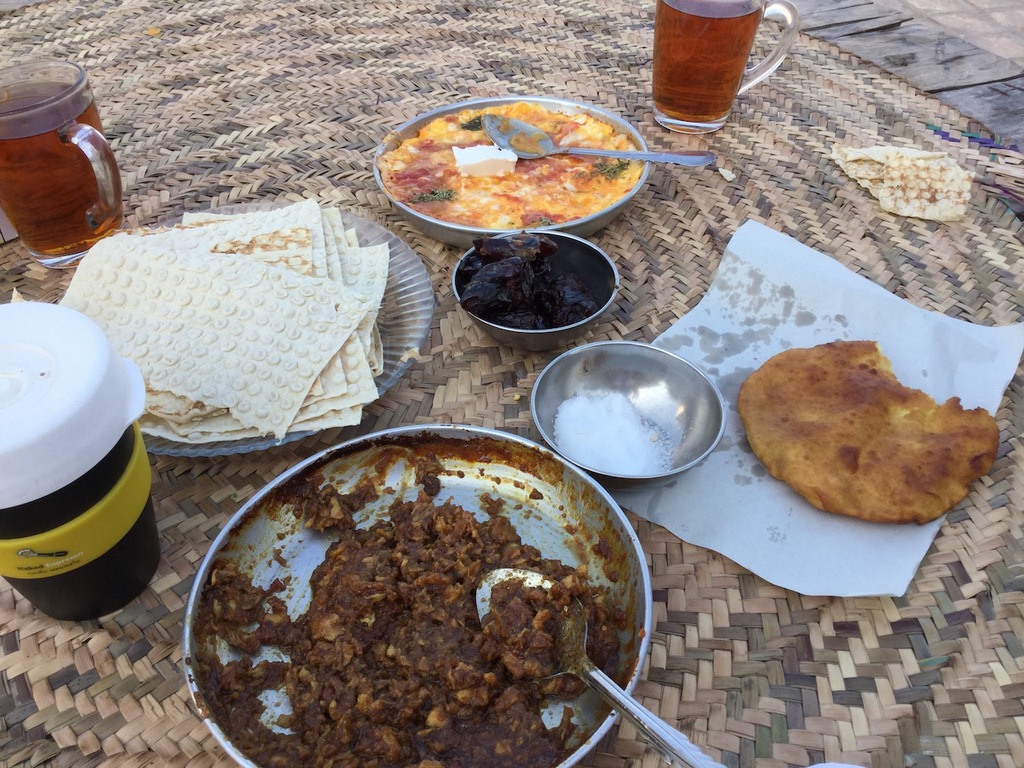
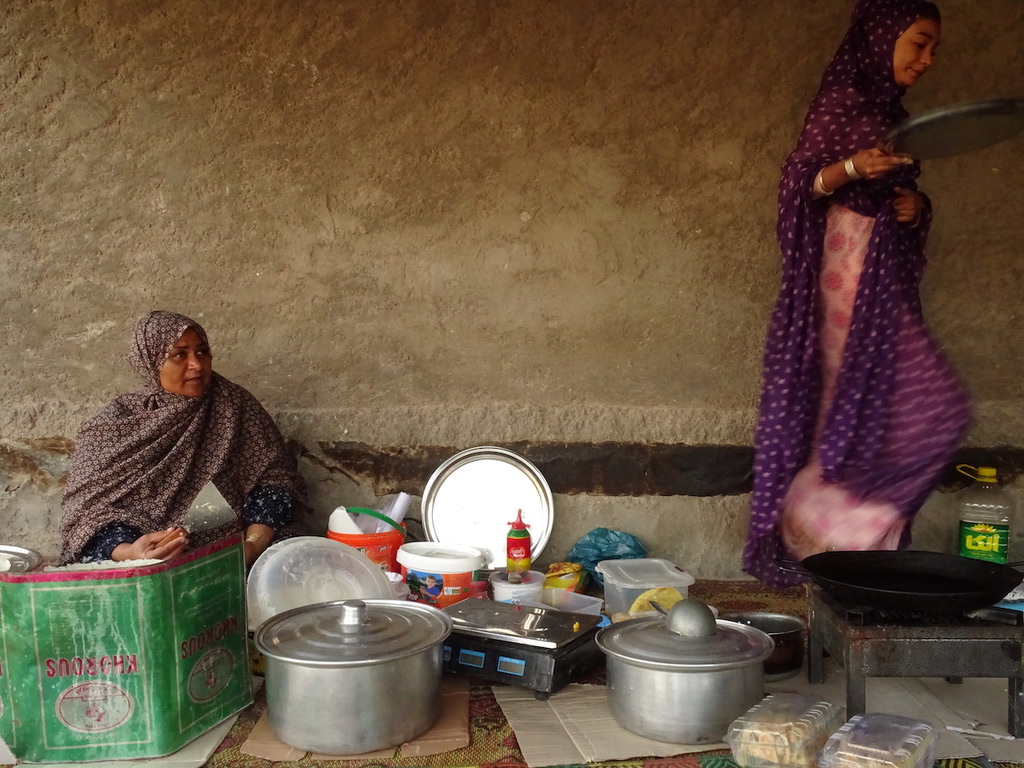
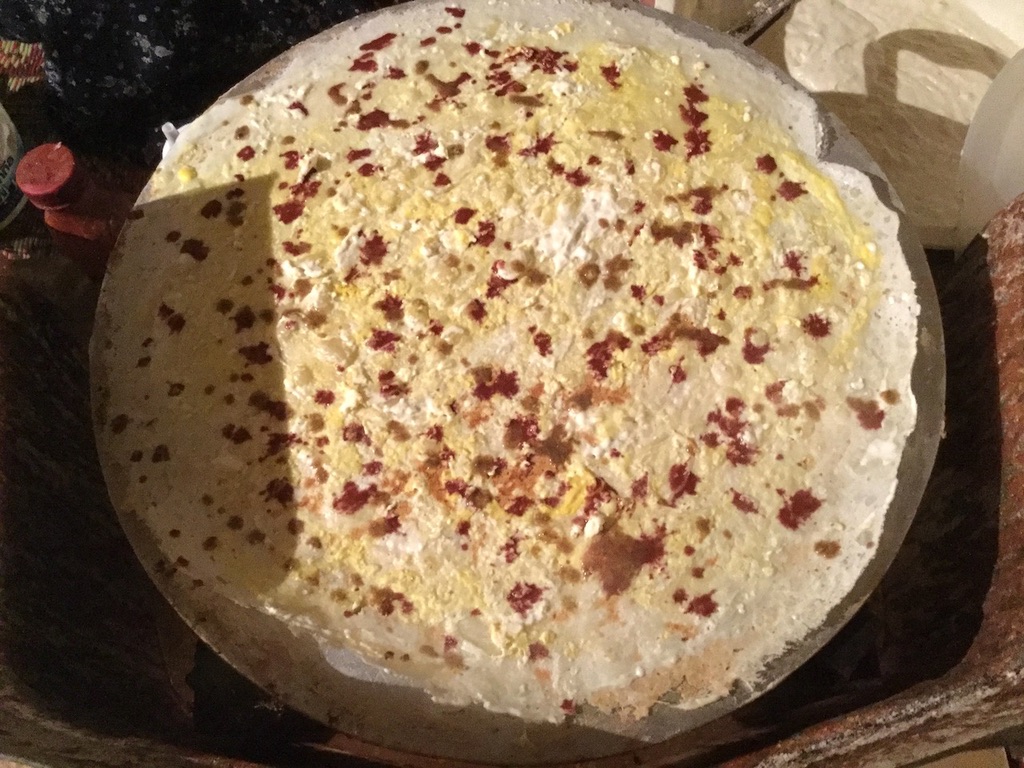
On the island’s pavements, women huddle around blackened pans and small stoves making wafer thin ‘Tamoushi’ bread. Dough is spread thinly and smothered with egg or creamy cheese before local sauces are drizzled on top, giving the breads their unique taste. Mahyaveh is made from fermented sardines, salt, mustard, coriander, and fennel. Hormuz Islanders top their bread with Souragh sauce, which uses the edible red soil of the rainbow island as a spice! This unique sauce is prepared by marinating sardines in sour orange peel, then leaving the mix in the sun for a couple of days. Afterwards the sauce is blended it with spices and cooked to sweeten the sauce. Fresh from the pan, these breads made with cheese, egg (or both!) and topped with the tangy sauces were the perfect way to start our island days.
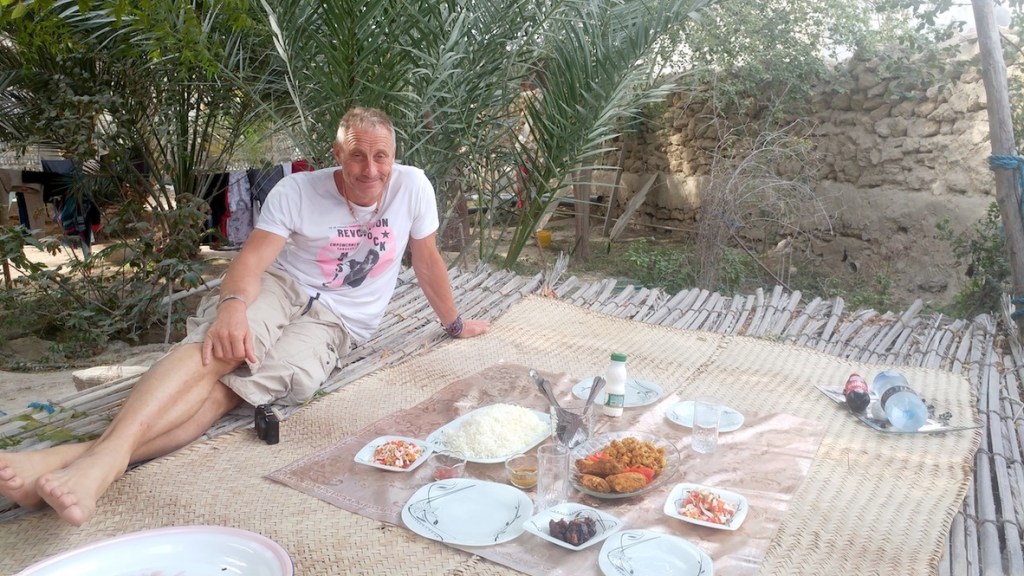
A sub plot running throughout my epicurean adventures in the Persian Gulf was the same warmth, hospitality and generosity I have experienced in every corner of Iran. From the shrimp cartel to the impressively bearded Baluch truck drivers, from the coastal villagers and fishermen to border police, as a guest, I was treated with great respect and kindness. Sharing food with strangers is part of the Iranian psyche; It’s impossible to go anywhere without having a glass of sweet black tea passed in your direction or being greeted by open palms inviting you to eat – Nooshe jan!*
* The equivalent of Bon Appetit, literally translated it means ‘may it be sweet for your soul’
See also –
In Praise of the Persian Plate

 The Lonely Chopstick